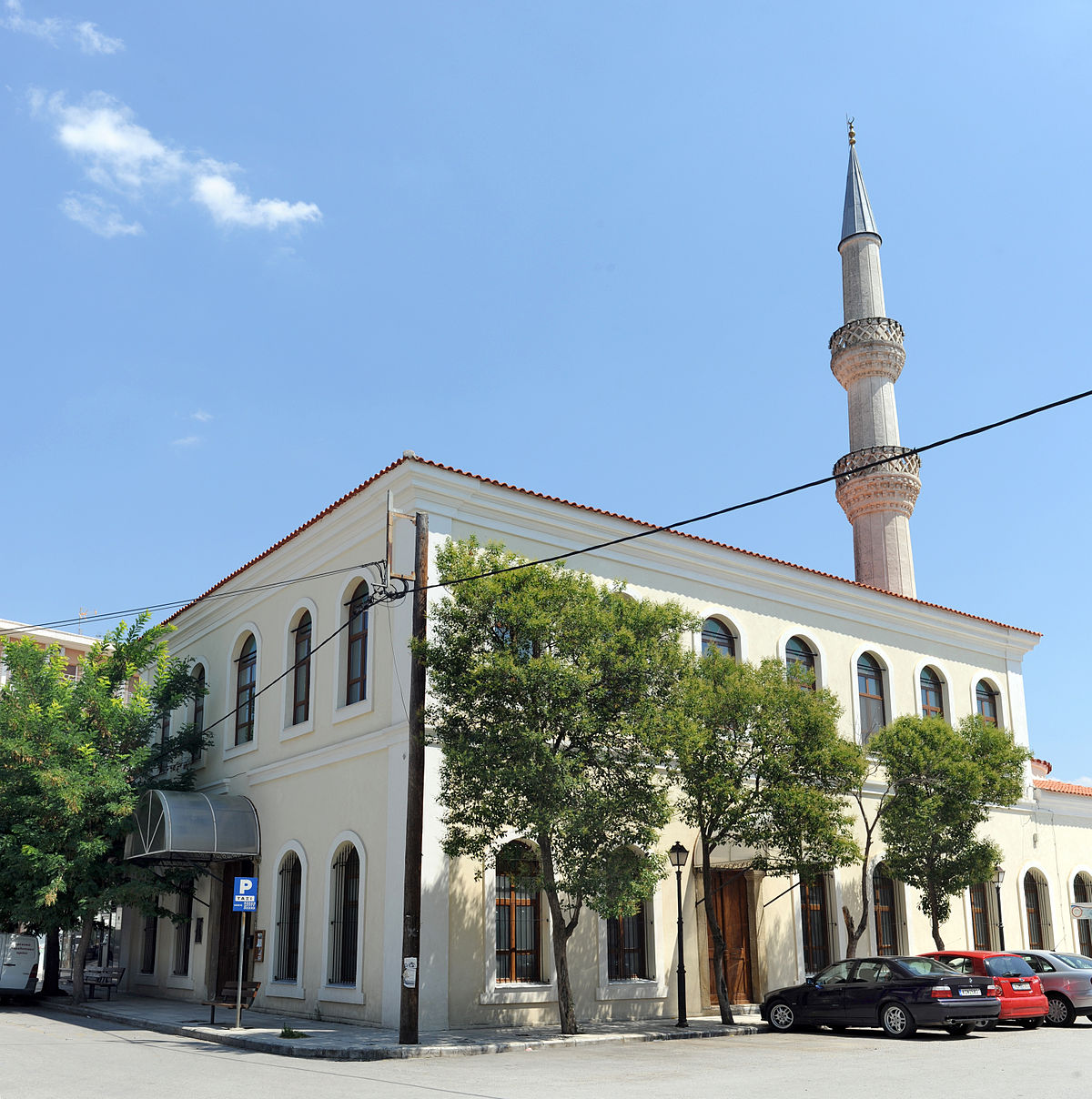
Colossus of Rhodes: The Colossus of Rhodes, one of the Seven Wonders of the World, is a giant statue made of bronze, 32 meters tall. This work, depicted as a statue of the Greek Sun God Helios, was located on the island of Rhodes. The appearance of the statue, which took 12 years to build, resembles the Statue of Liberty in New York. According to legend, God Helios had a torch in his hand. Among the statues, they were so giant that they could contain ships.
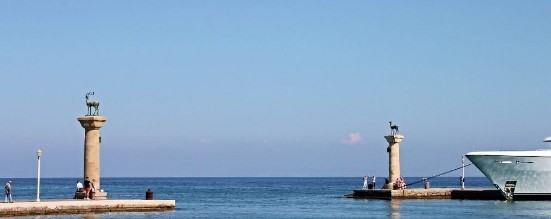
Parthenon Temple: The Parthenon was built during the period known as the Golden Age of Athens. The Parthenon Temple, located on the historical Acropolis hill of Athens, is one of the most famous structures of both the ancient world and today. Dedicated to Athena, the patron goddess of the city, this temple represents the pinnacle of Greek art and architecture. Over the years, the Parthenon has been damaged by wars, natural disasters and weather conditions. In particular, the damage caused by a gunpowder store exploding in 1687 caused the collapse of a large part of the structure. However, the Parthenon, which is on its way to regaining its former glory thanks to the ongoing restoration work since 1975, is considered both a national treasure for Greece and a historical and cultural heritage for the whole world.
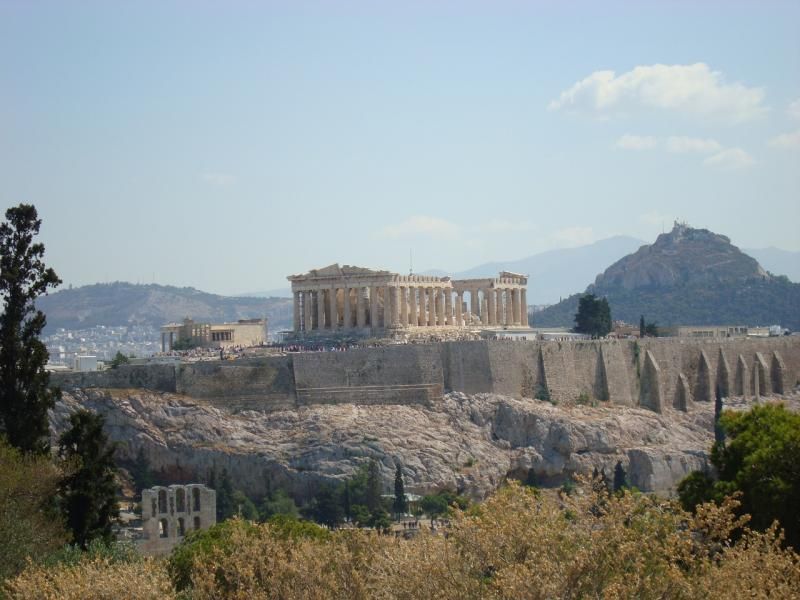
Meteora: Meteora is a small city consisting of the villages of Kalambaka and Kastraki, built on the slopes of steep cliffs and cliffs. While it draws attention especially with its historical monasteries built on steep cliffs and its view, it is also known as a religious region, as well as being one of the most touristic places in Greece. Meteora is completely included in the UNESCO World Heritage List. The local population of Meteora, which consists of two towns named Kalambaka and Kastraki, is 12,000. The Thessaly Plain is located in a wide valley at the foot of the Pindus Mountains and the Pineios River. Its name means “hanging in the sky” and “in the heavens” in Greek. When you see the monasteries built on the cliffs, it becomes clear how appropriate this name is. Meteora’s history dates back to 23,000 years ago. Traces of ancient sets built to protect from the wind can still be seen in the caves here. After the 9th century, especially in the 12th century, it became a region where reclusive groups and monks gathered. The fascinating monasteries, which are the most touristic places in Meteora, were generally built in the 14th century. With its nature, villages, weather and “monasteries in the sky”, Meteora is a must-see place.
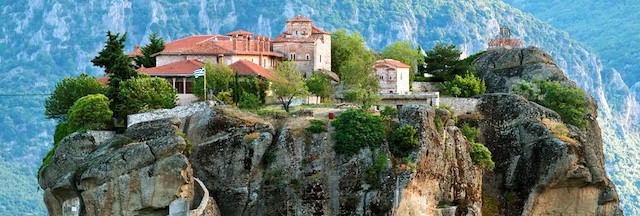
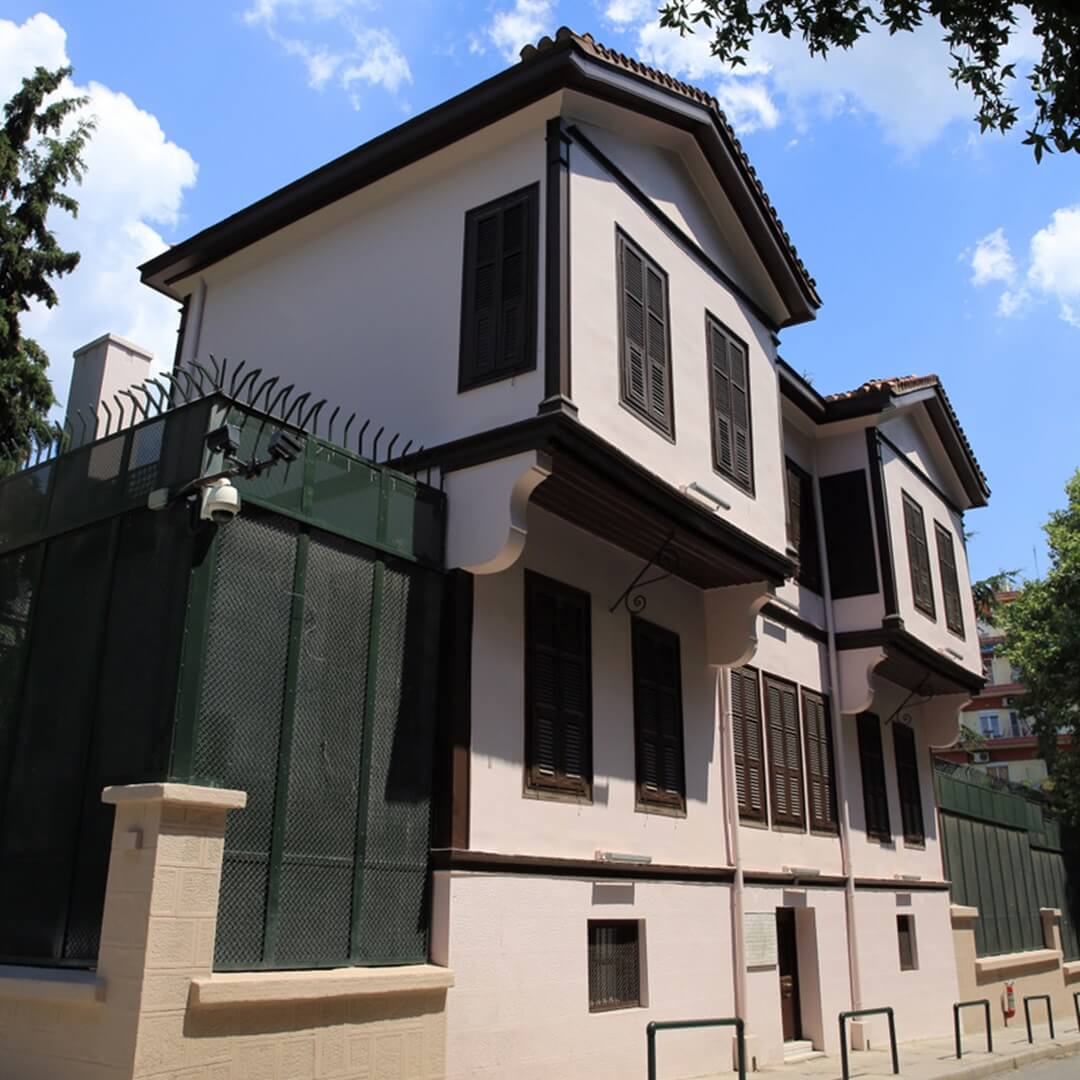
Thessaloniki Atatürk House: Atatürk House Museum is the house in Thessaloniki, where Turkey’s founder Mustafa Kemal Atatürk was born in 1881, and is used as a museum today. The Municipality of Thessaloniki decided to purchase the house in 1933 on the occasion of the anniversary of the founding of Turkey and gift it to Mustafa Kemal Pasha; The house, whose purchase was completed and given as a gift in 1937, was opened as a museum in 1953. The museum-house has more than 50 thousand visitors a year. The historical pomegranate tree in the garden of the house, which is rumored to have been planted by Atatürk’s father, Ali Rıza Efendi, is one of the most interesting points of the museum due to its historical and cultural value.
The house was registered as a “modern monument” by the Greek Ministry of Culture in 2011.
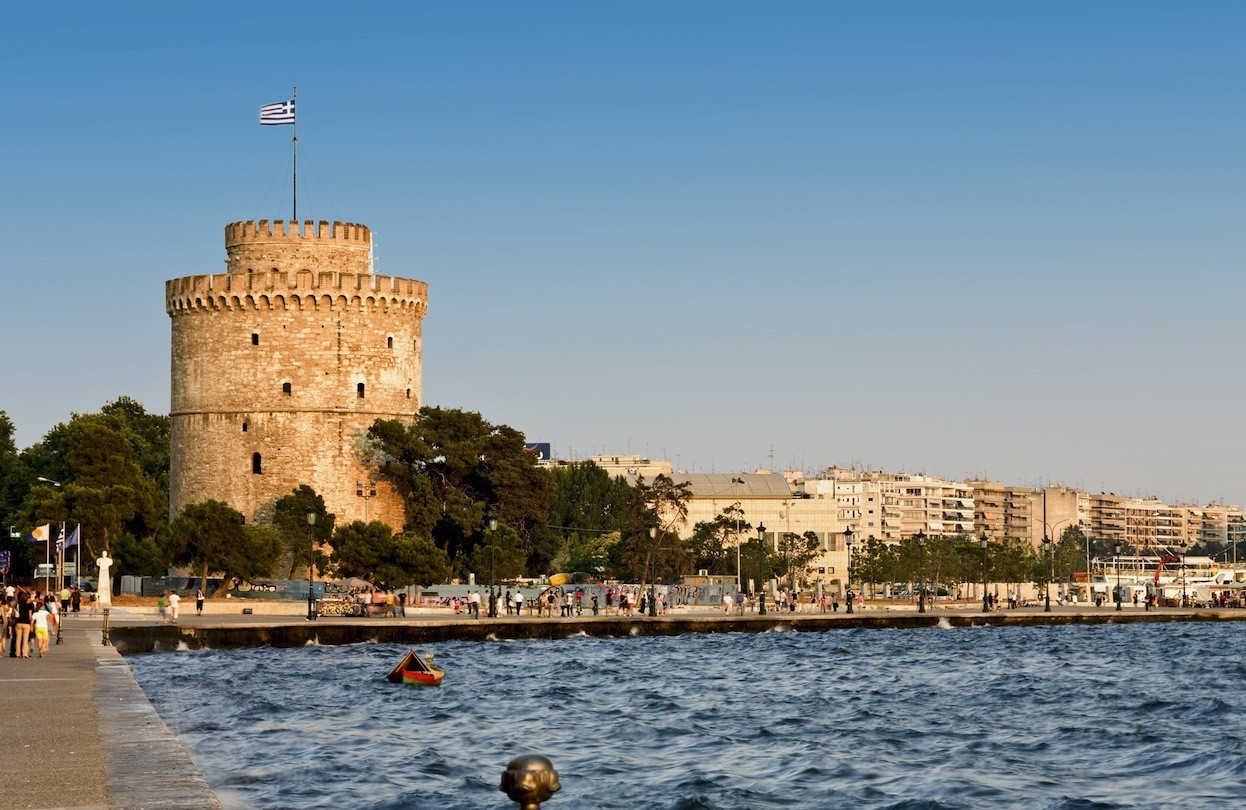
Thessaloniki White Tower: It is the tower located in Thessaloniki and considered one of the symbols of the city. Today, it is located on the seaside of the city as a historical tower and museum. It was built during the Ottoman Empire. The tower was built by Suleiman the Magnificent in the 16th century. When the city was taken over by the Greeks as a result of the Balkan Wars, the tower was painted white, but over time it regained its old color. The structure, which was called the “White Tower” from that day on, is one of the most visited tourist attractions in Thessaloniki today.
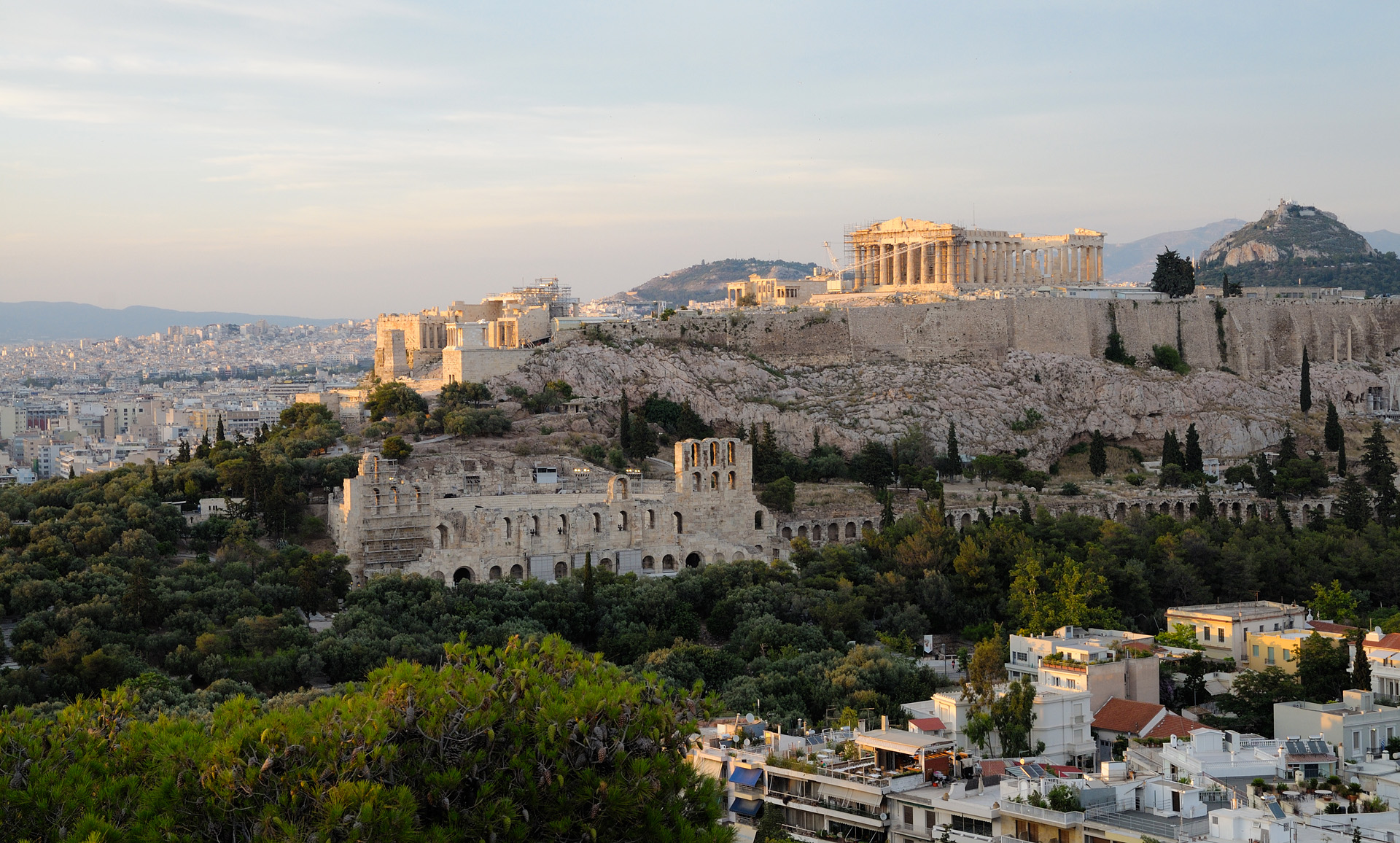
Acropolis of Athens: An ancient fortress located on a high cliff overlooking Athens and containing the ruins of many ancient buildings of great architectural and historical importance. The Acropolis of Athens is generally the first place that comes to mind in the world when Acropolis is mentioned, as it is the most well-known of all acropolises. The main works in the Acropolis of Athens, in order of their construction, are:
Significant parts of these structures are still standing, but they are still under restoration. In addition, next to the acropolis, there is the Herodes Atticus Theater, which is still used today, and the Dionysos Theater, which has been destroyed today. A comprehensive restoration program designed to protect them from environmental pollution caused by industry has been continuing since the 1980s. In addition, it is forbidden to build buildings higher than 17.5 meters in Athens so that the Acropolis can be seen from as many sides of Athens as possible.
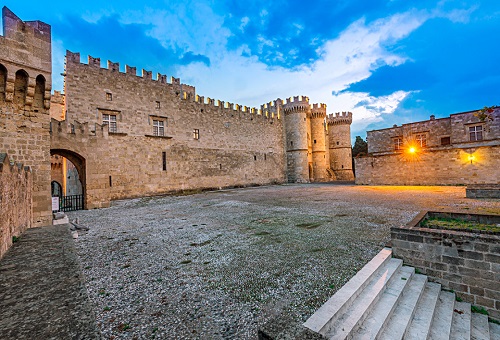
Rhodes Castle: Also known as the “Palace of the Grand Master of the Knights of Rhodes”. A medieval castle in the city of Rhodes on the island of Rhodes. One of the very few examples of Gothic architecture in Greece. The fortress, which previously belonged to the Knights Hospitaller, was also used as a palace, headquarters and castle. It was captured by the Ottomans during the reign of Suleiman the Magnificent and the knights were expelled. After settling on the island of Malta, their new headquarters, they were also known as the Knights of Malta. The castle, which is open to the public as a museum today, is added to the UNESCO World Heritage list.
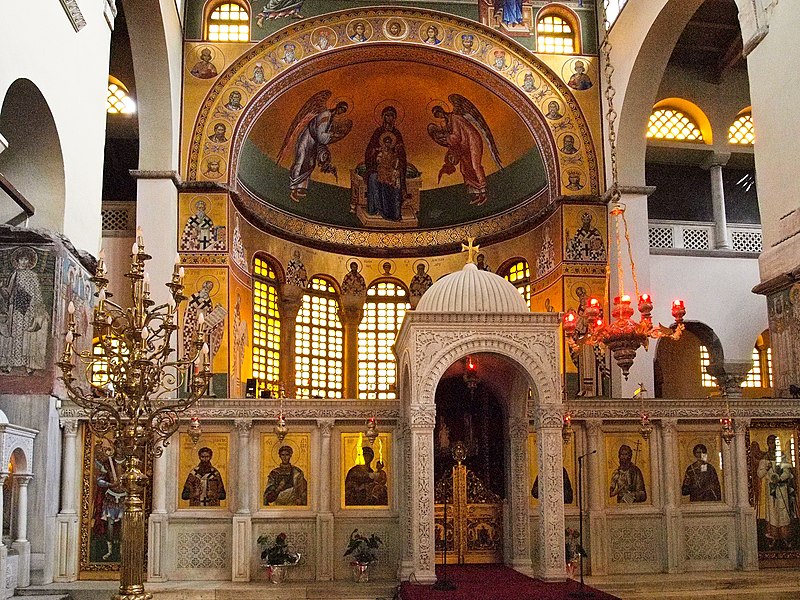
Hagia Dimitri Church: Hagia Dimitri Church is a Byzantine-era church in Thessaloniki dedicated to Saint Dimitri of Thessaloniki, the protector of the city. The building, which is an important monument from the Early-Christian period, served as a mosque between 1491 and 1912. It is believed that the body of the Saint is located under the church, which was built on the ruins of the Roman bath where St. Demetrius was martyred, and that the water of the fountain where his body is located is healing. The basement of the church, which was rebuilt after it burned in 1917 and opened for worship in 1949, was arranged as a museum. The building has been on the UNESCO World Heritage List since 1988.
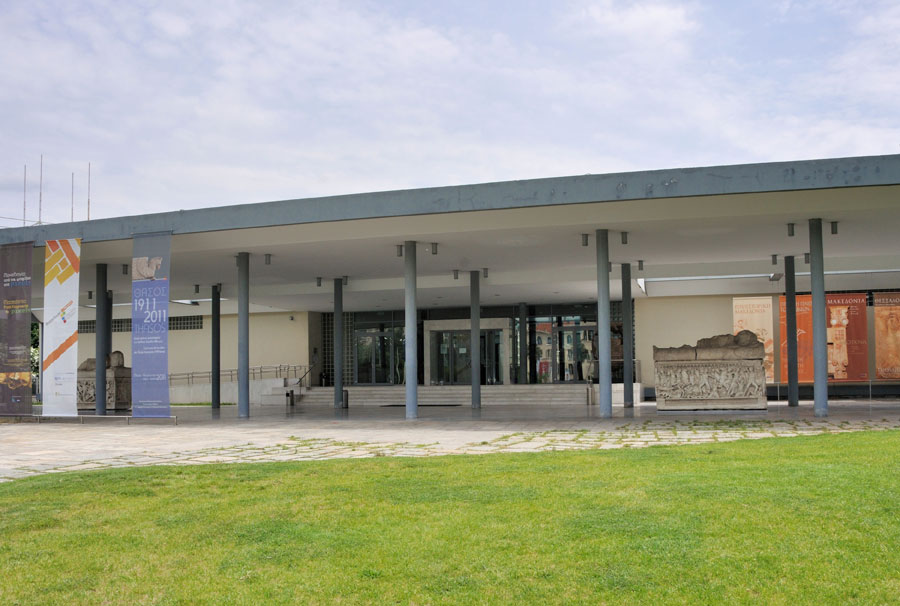
Thessaloniki Archaeological Museum: Thessaloniki Archaeological Museum is a museum founded in 1962 to exhibit historical artifacts obtained during excavations in Thessaloniki and its surroundings. The museum was completely renovated in 2002. The museum collection began to be exhibited in six categories: “Prehistoric Macedonia”, “Towards the birth of cities”, “Macedonia, from the seventh century, that is, from the period after Christ to antiquity”, “Thessaloniki, the Center of Macedonia”, “Golds of the Macedonians”, ” Area, House, Garden and Settlement” Among the important works exhibited are the Derveni crater, the statue of Arpokratis (2nd century BC), the marble door of the Macedonian tomb monument in Agia Paraskevi.
The museum organizes one large and 2-5 small temporary exhibitions annually.
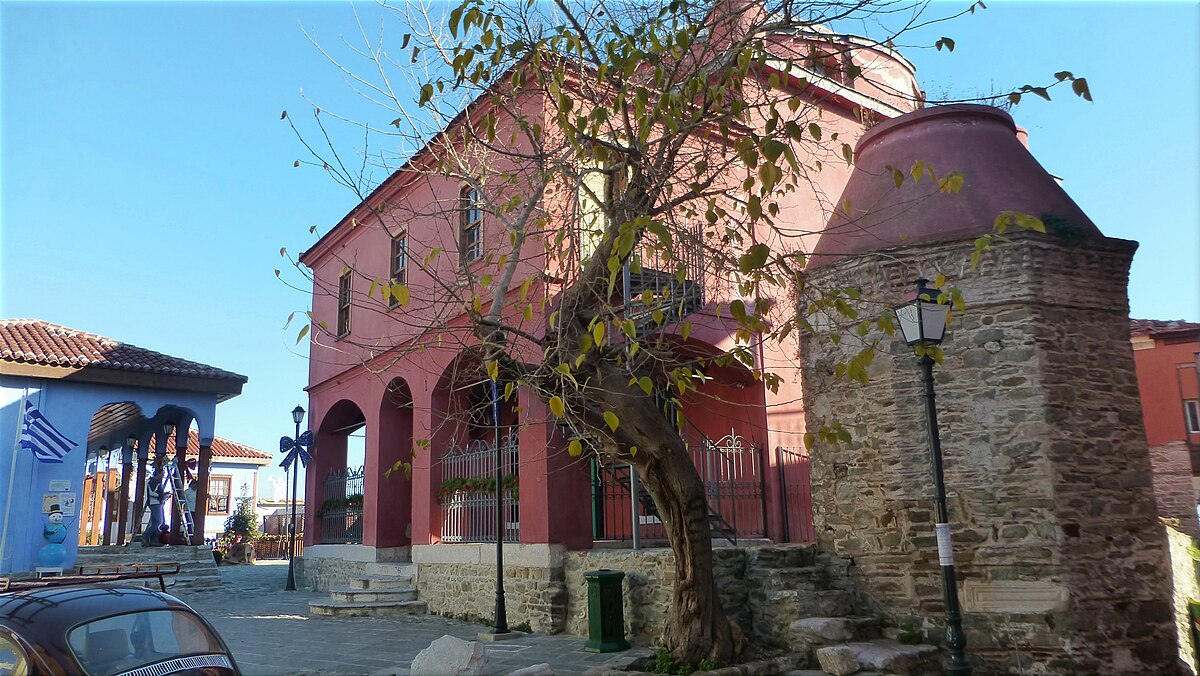
Kavala Halil Bey Mosque: It was probably built in the 1530s, to which the İbrahim Pasha Mosque also dates. It is the second largest mosque of Kavala after the aforementioned İbrahim Pasha. The mosque was built on top of a Byzantine church dedicated to St. Paraskevi; The ruins of the church can now be seen through the glass floor of the mosque. Most likely, the first church was converted into a mosque, and then a suitable mosque building was built for this area, as was common in the regions conquered by the Ottomans.
After the Balkan Wars, the mosque became part of Greece along with the Kavala region. The mosque was used as a girls’ school in the early 20th century. Following the population exchange between Türkiye and Greece, Halil Bey Mosque and madrasah hosted Greeks coming from Turkey. The mosque hosted the municipality’s philharmonic orchestra in the 1930-1940 period, therefore it was named “Music Mosque”. To this day, the people of Kavala call this place “Old Music [hall]” (Παλιά Μουσική). The minaret of the mosque was demolished in the 1950s. Following a series of restoration works for both the mosque and the madrasah (except the minaret), it is now open to the public and used as a museum and meeting hall.
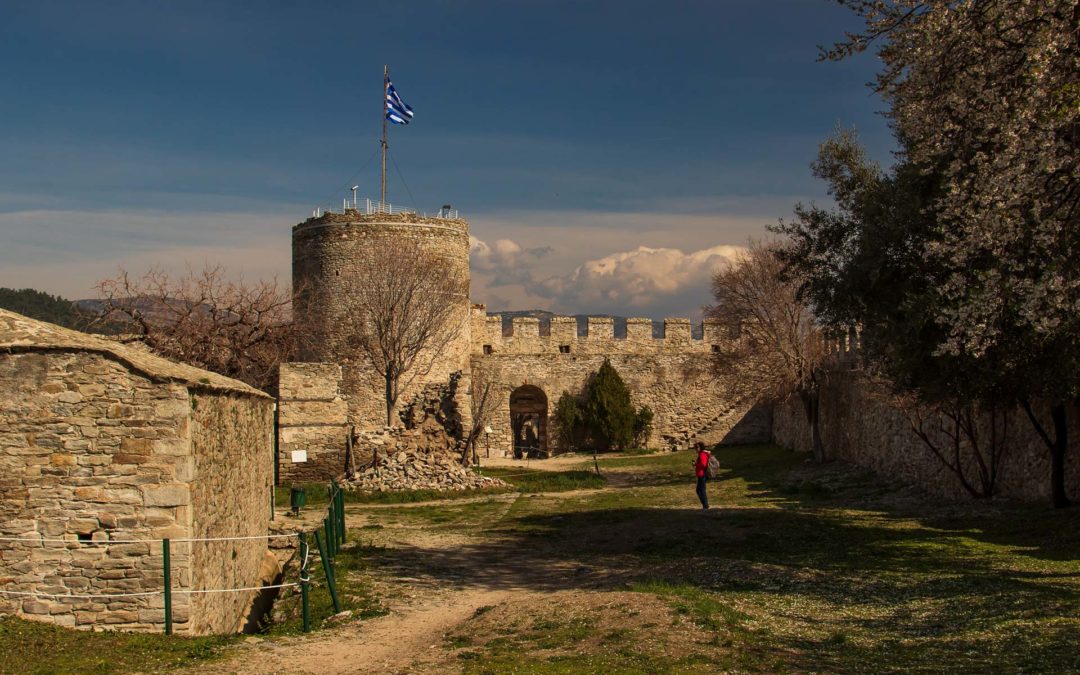
Kavala Castle: Famous for its breathtaking view, the castle is located at the top of the most traditional neighborhood of the city of Kavala, the Panagia Peninsula or Old Town.
It attracts thousands of visitors to the region every year and constitutes one of the most important historical monuments of the region. It attracts the attention of historians, archaeologists, architects and students from all over the world, as it has remained in good condition to this day and has interesting corners full of “secrets”.
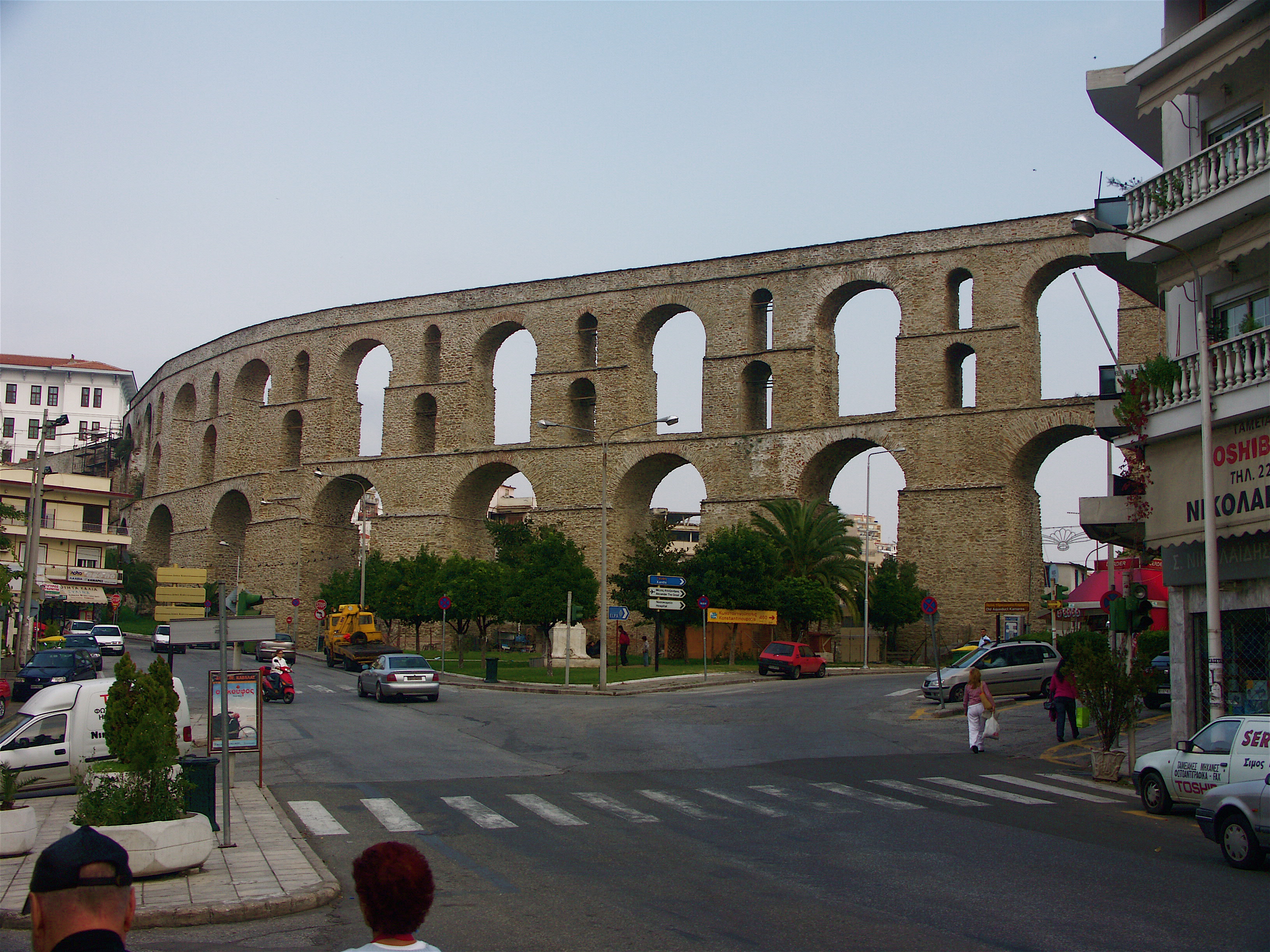
Kavala Aqueduct: It is a well-preserved aqueduct located in the city of Kavala, Greece, and is one of the symbol buildings of the city. It was declared a Cultural Monument in 1998.
Although the aqueduct is of Roman origin, the structure that survives today was built by the Ottomans in the 16th century. During the repair and improvement of the Byzantine walls by Suleiman the Magnificent, the city walls were replaced with the arched aqueduct that survives today. Some authors date this construction to the time of the Siege of Rhodes in 1522, but a more likely date is between 1530 and 1536. Towards the end of 1911, drinking water was supplied to the city from Mount Pangaeus via the aqueduct.
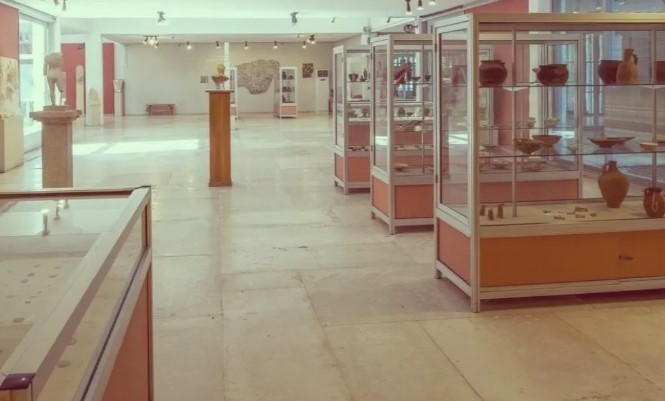
Komotini Archaeological Museum: Komotini Archaeological Museum was founded in 1976. It was built as a result of the work of internationally renowned Architect Aris Konstantinidis. Its exhibitions range from the Neolithic period to the Byzantine period. The exhibitions are presented in chronological order; however, the excavation communities are not divided in any way. The purpose of the exhibition is to present selected pieces from the finds unearthed during important excavations to visitors so that they can gain information about the prehistoric period and history of Aegean Thrace. All exhibits show the progression of Greek presence in the Northern Aegean and Greek creative art and culture. Undoubtedly the most impressive piece is the golden bust of Septimios Seviros (AD 193 – 211), which the imaginifers of the Roman army held fixed to the spear. The main exhibition of the museum contains objects from the prehistoric period (Neolithic and Iron age), Greek colonies, sacred, Roman settlements and tombs.
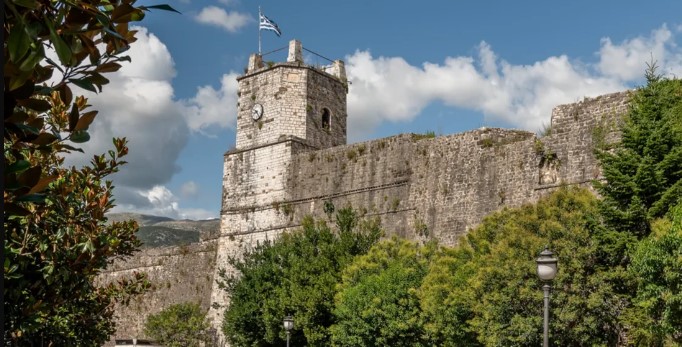
Ioannina Castle: Ioannina Castle is a castle located in Ioannina, Greece. First built during the Byzantine period in the 11th century, the present-day castle is largely based on reconstruction under the rule of Tepedelenli Ali Pasha in the late Ottoman period. Yanya Castle is a place where Byzantine and Ottoman architecture are intertwined. It attracts the attention of visitors with its architecture, historical events and being the oldest Byzantine castle in the country. It can be visited free of charge. There is also a clock tower and an Ottoman inscription on the castle walls, which have many entrances.
Komotini Old Mosque: It is a mosque located in Komotini, Greece. According to an inscription, the mosque was built in 1608 or 1677/88 during the Ottoman period. Despite its name, it was built after the New Mosque built in 1585. According to the 1892 Ottoman yearbook, the mosque contains an inscription in a “non-Ottoman” language, so it is possible that the mosque was built on the site of an old Byzantine church.
In the 1910s, the Bulgarians converted the mosque into a church and demolished part of the minaret down to the balcony. The building was later returned to the Muslim minority under French rule in 1919-20. The minaret and the two existing balconies, which had been destroyed by that time, were rebuilt.