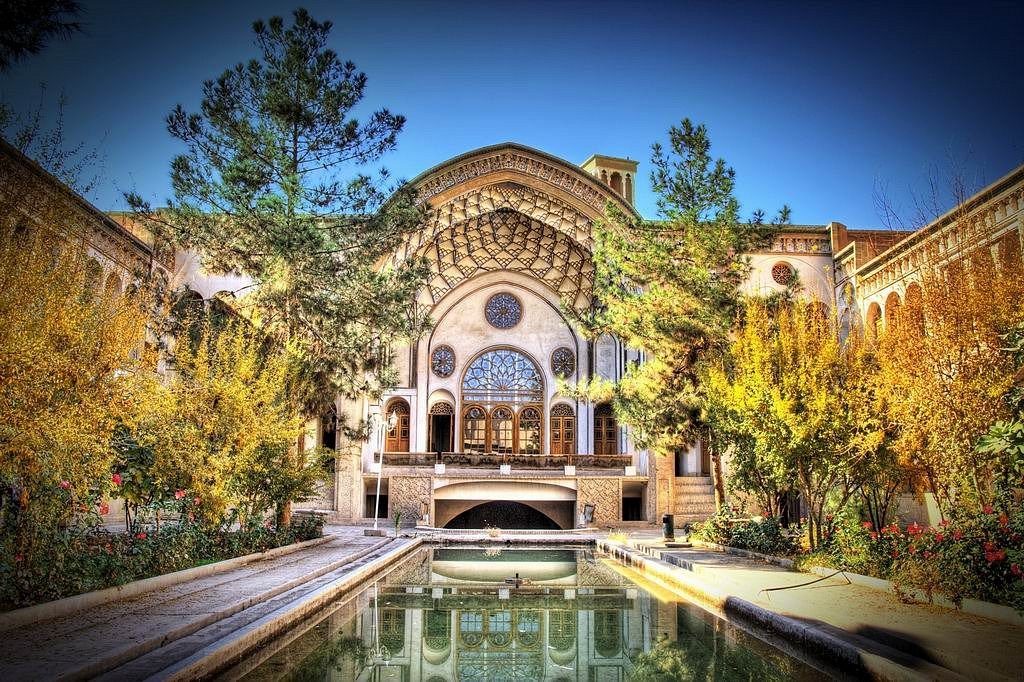
Milad Tower: Located in Tehran, the capital of Iran, it is the 4th tallest skyscraper in the world. Construction began in 2000 and was completed in 2007 and opened in 2008.
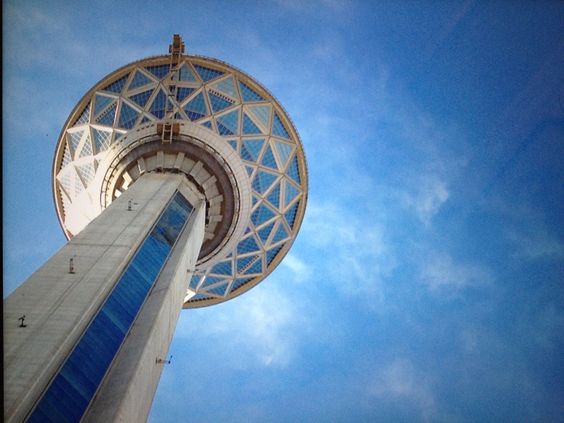
Sheikh Lotfollah Mosque: Located in Isfahan, Iran. It was built in 1615 by Shah Abbas during the Safavid dynasty. Completed in 1618, the mosque is one of the best-known examples of Safavid architecture.
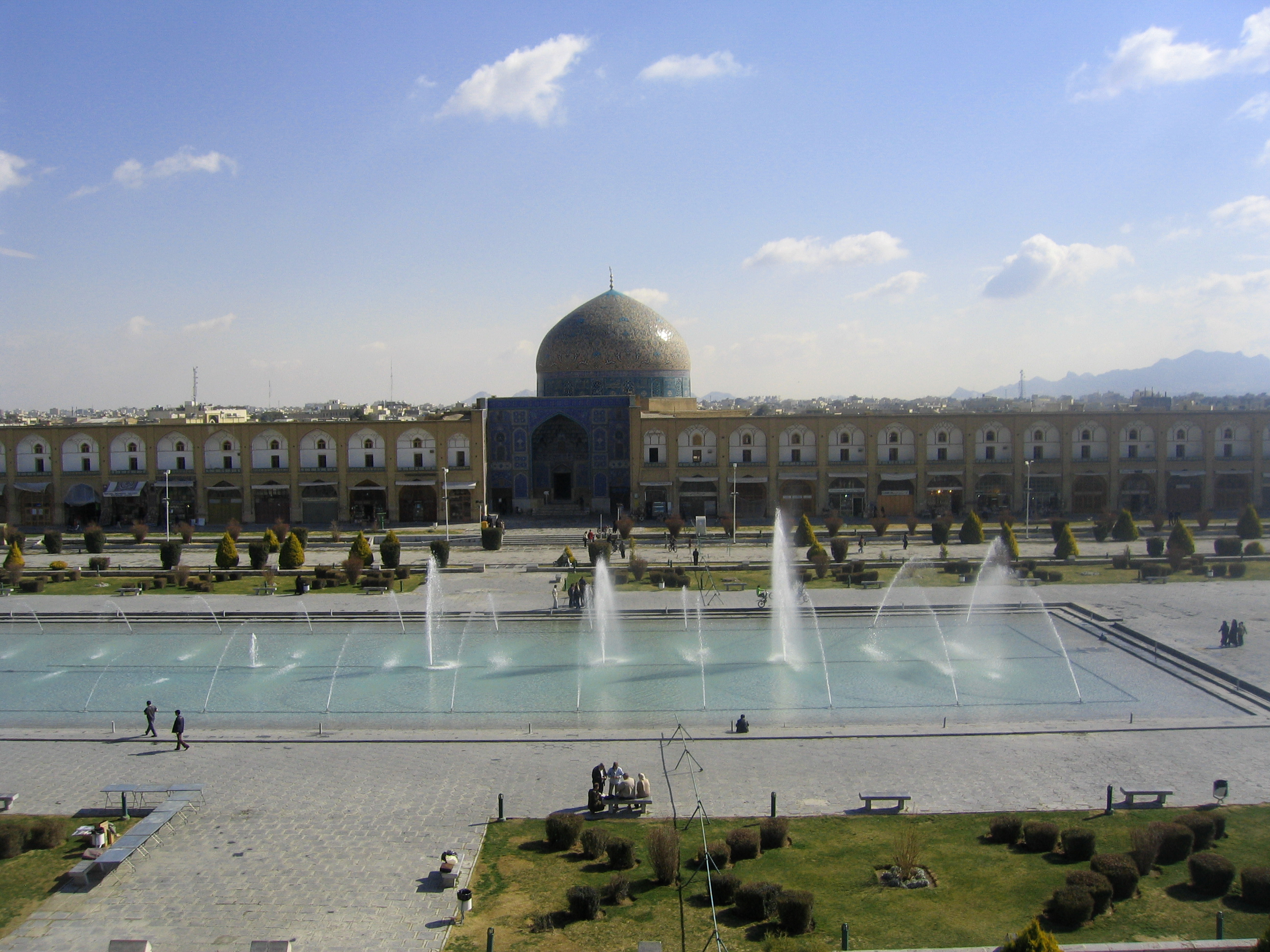
Nasir al-Mulk Mosque: Located in Shiraz, Iran. Also known as the Pink Mosque in popular culture due to the use of pink tiles in its interior architecture. It was built between 1876-1888 by the order of Mirza Hasan Ali Nasir al-Mulk during the Qajar Dynasty.
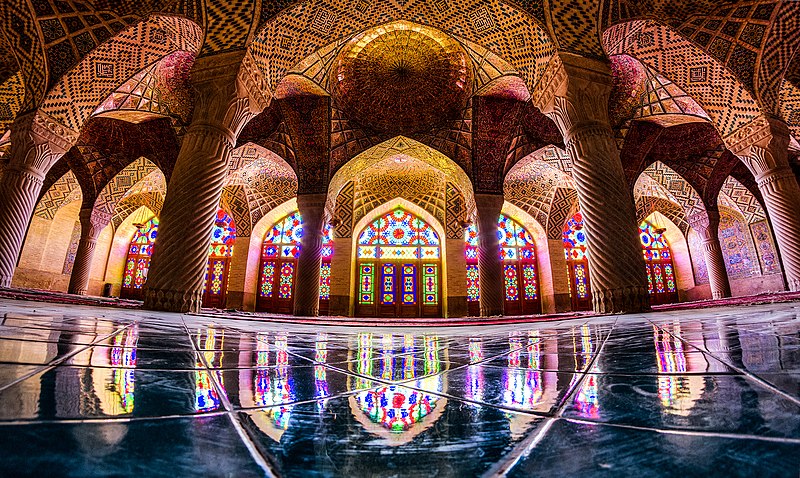
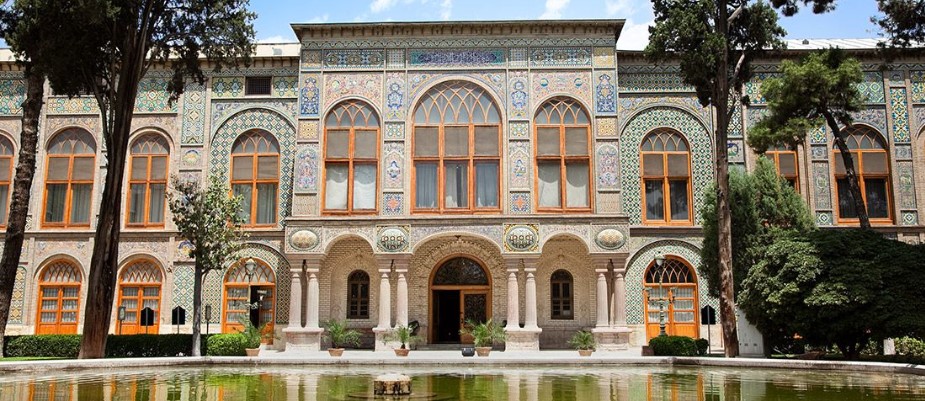
Golestan Palace: A palace from the Qajar Dynasty, located within the borders of the old Tehran walls near Erg Square, south of Tehran, the capital of Iran. The construction of the palace began during the reign of Tahmasp I of the Turkish Safavid Dynasty and was used as the residence of the shahs of the Qajar Dynasty, the Turkish dynasty of Iran. Used for official ceremonies and the residence of members of foreign delegations during the Pahlavi Dynasty, this palace is currently used as a museum.
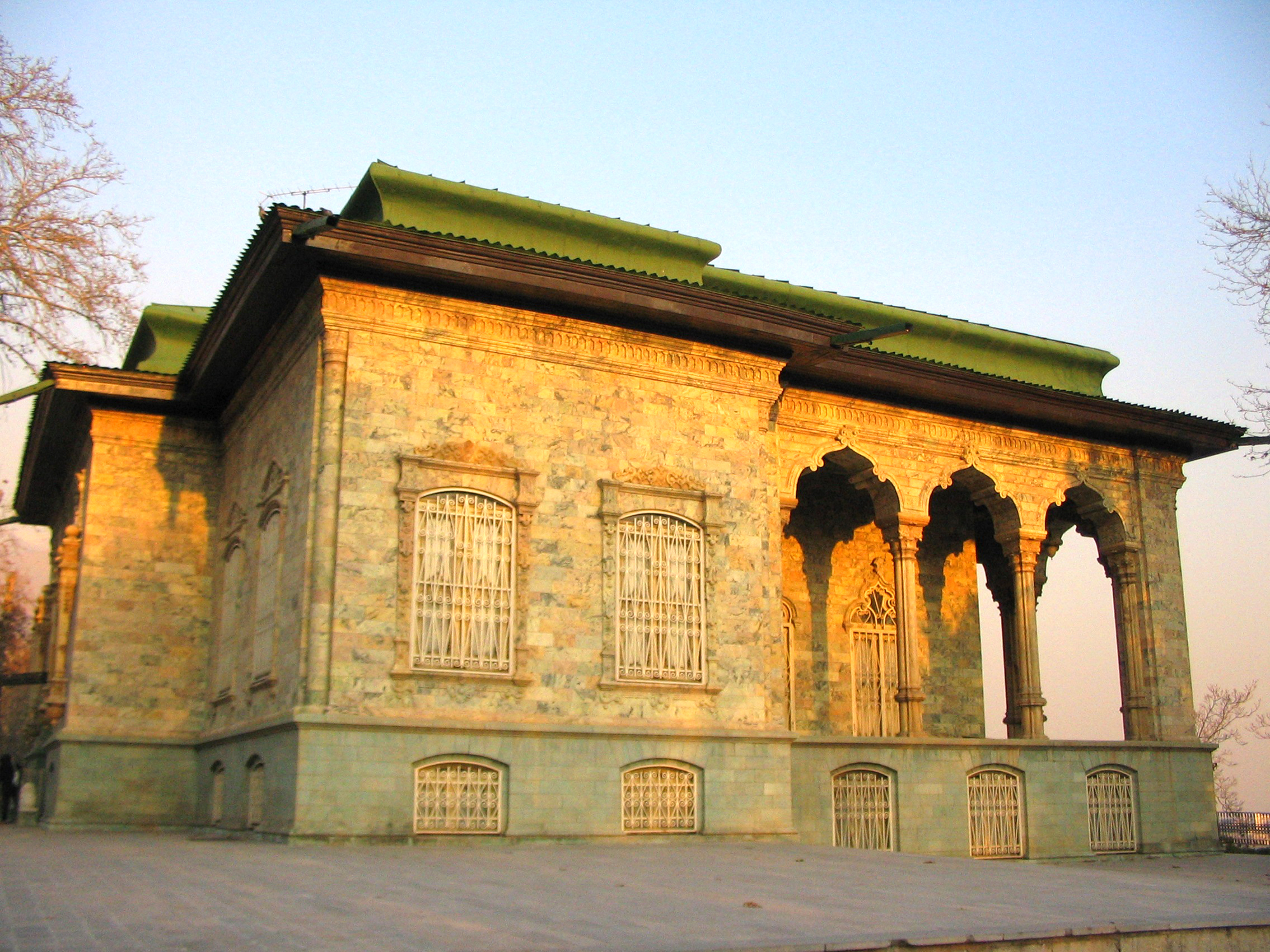
Sadabad Palace Tehran: It is located in Shemiranat County, a settlement in the northernmost part of Tehran. This complex, built by the Qajars and Pahlavi Dynasty on a 3000-acre land, consists of 1800 acres of natural forest, springs, underground water networks and gardens.
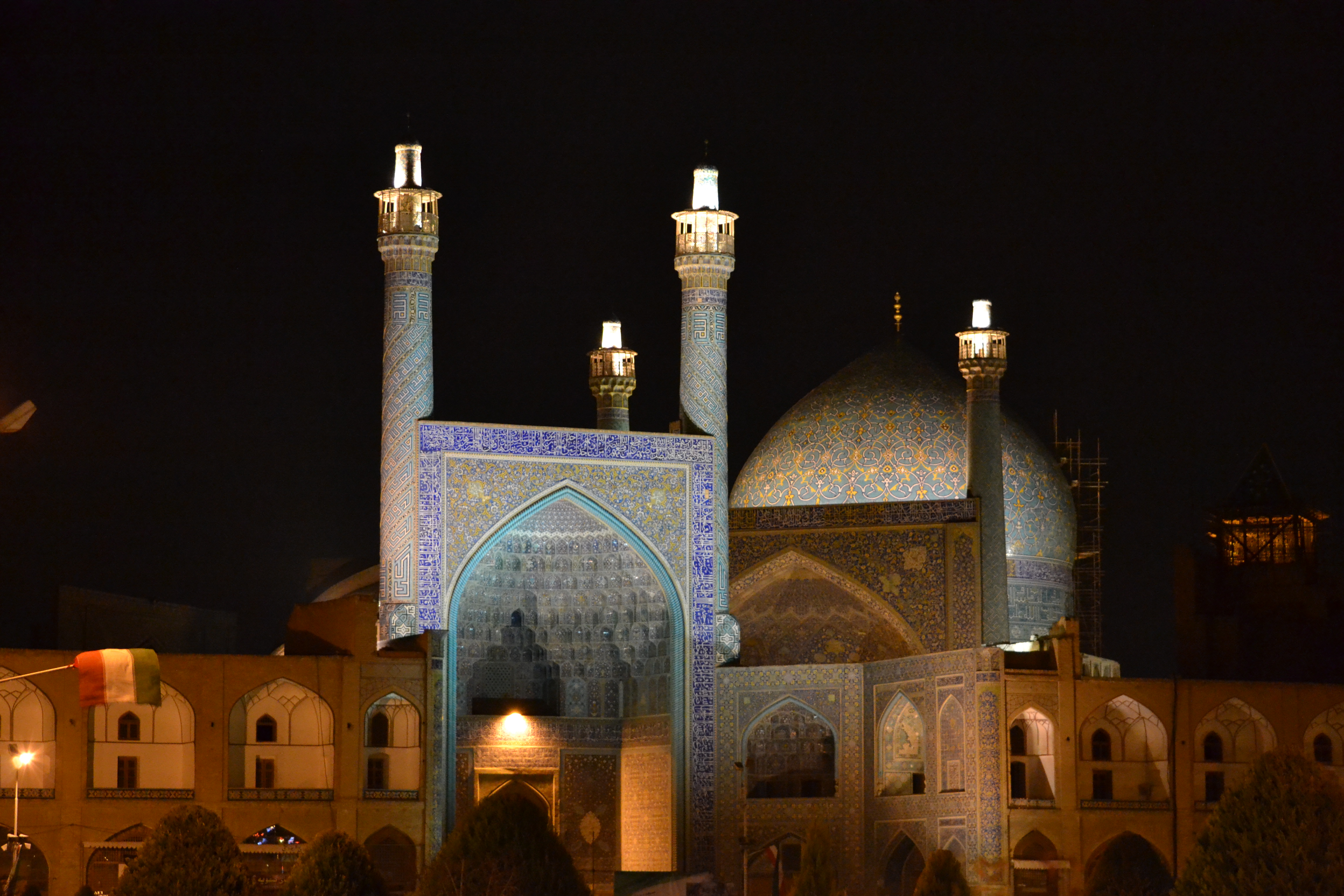
Masjid al-Shah: It is a mosque in Isfahan, Iran, standing on the south side of Naqsh-e Jahan Square. Its construction was ordered by Shah Abbas in 1611. The mosque was started in the 20th year of Shah Abbas’s reign and was finished 18 years later.
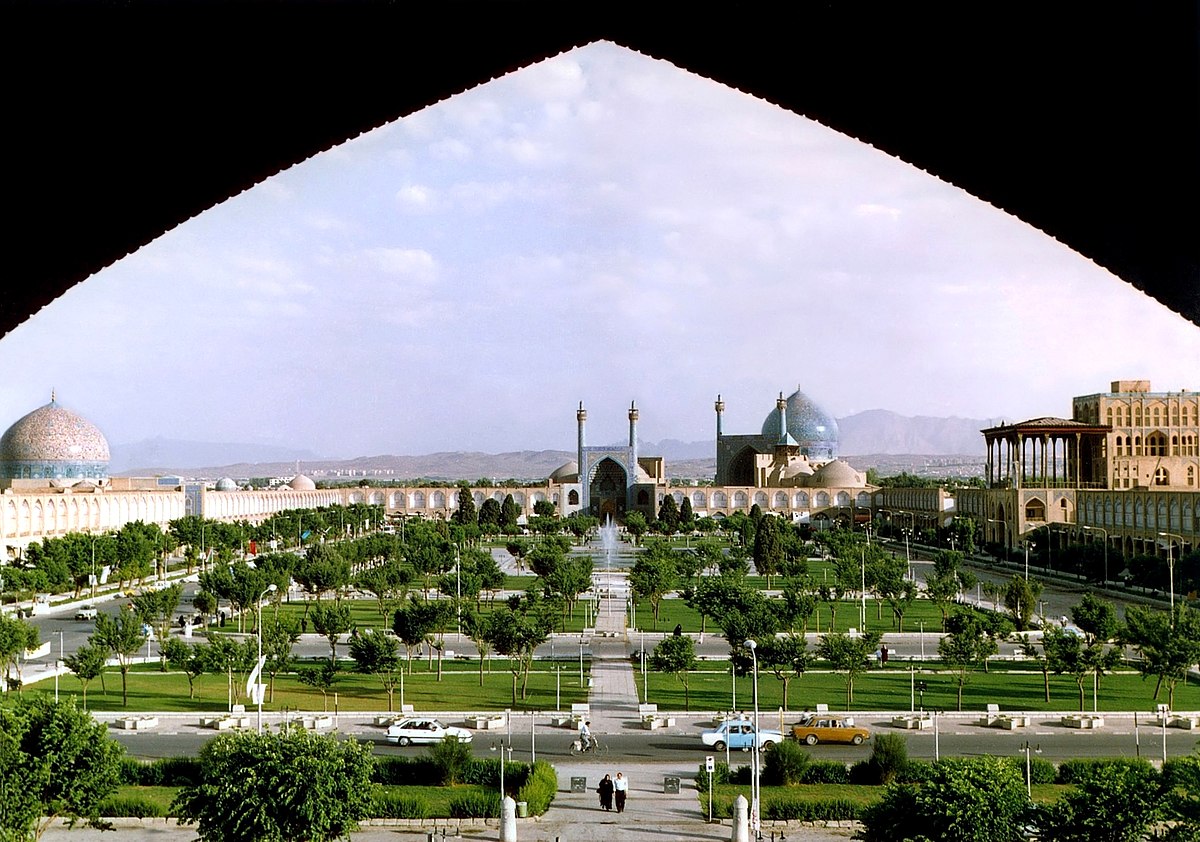
Naqsh-e Jahan Square: Also known as Imam Square. Located in the center of Isfahan, it is the largest square in Iran and Southwest Asia. The square, which is on the UNESCO World Heritage List, is surrounded by historical structures such as the Ali Gate from the Safavid Dynasty, Sheikh Lotfollah Mosque, and Shah Mosque.
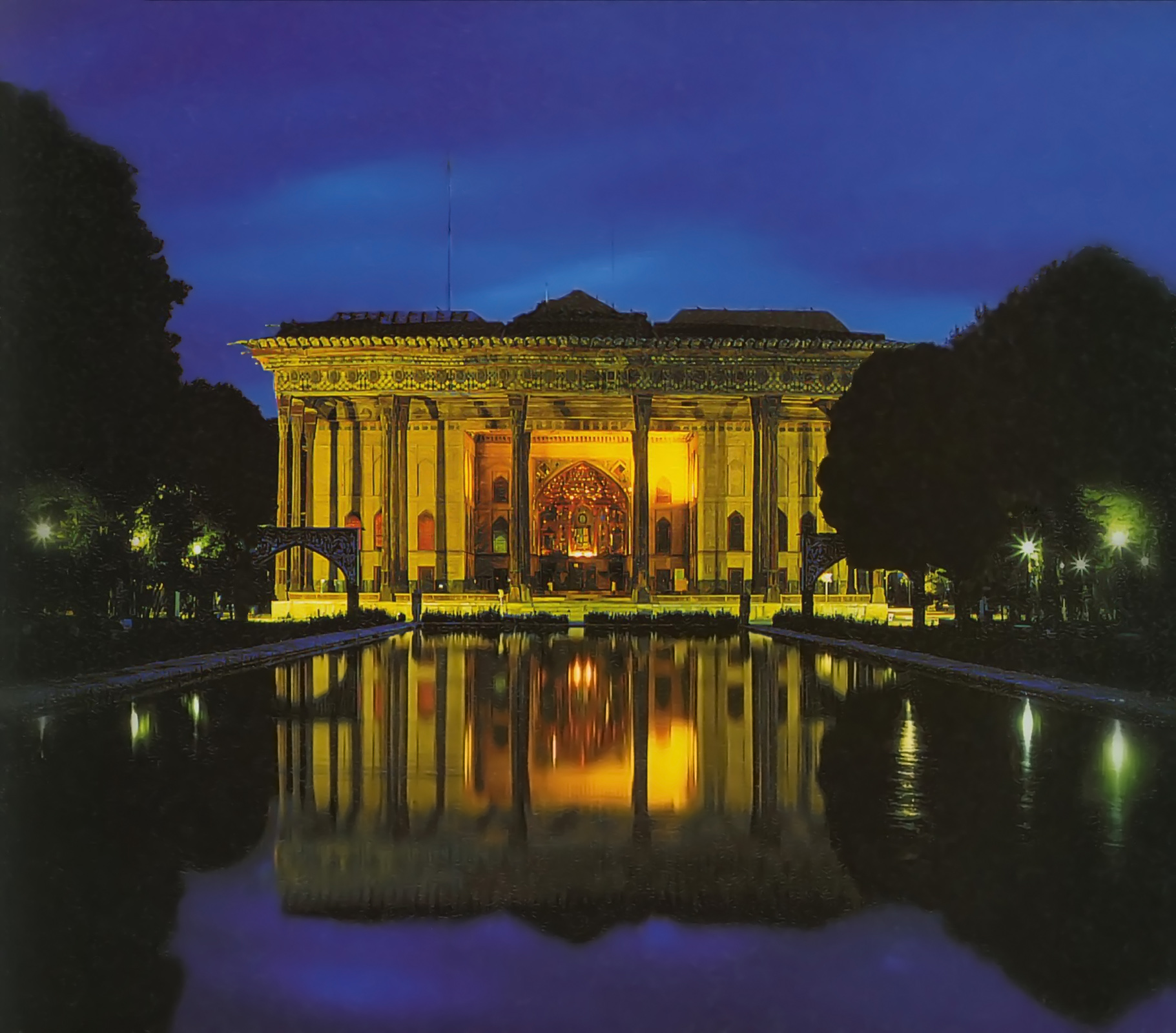
Chehel Pillar Palace: It is a palace located in Isfahan, Iran. It was built by the Safavid Shah Abbas I as part of a large palace and botanical garden complex that included the Chehel Pillar.
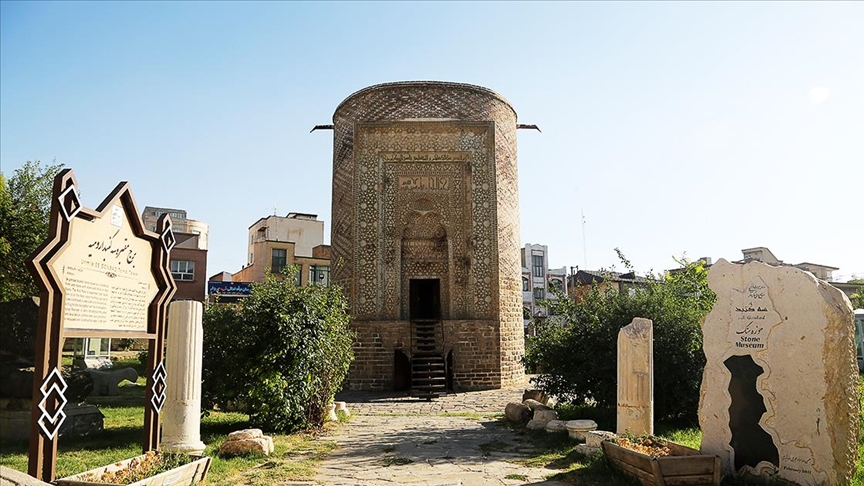
Tugrul Bey Tomb: It is a monumental tomb built in the 12th century during the Great Seljuk Empire, located in the city of Rey in the south of Tehran. The tomb of Tugrul Bey, the founder and first sultan of the Great Seljuk Empire, who died in 1063, is here.
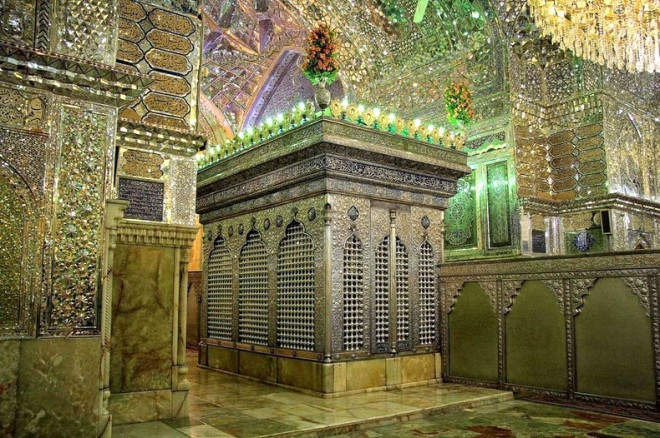
Shah Cheragh: A historical mosque and tomb in the city of Shiraz, Iran, where the graves of Seyyid Emir Ahmed and Mir Muhammed, the brothers of Ali al-Ridha, the 8th Imam of the Shiites, are located. Shah Cheragh, the nickname given to Seyyid Emir Ahmed, means “king of lights”. It was first built in the 12th century. The mosque was repaired during the reign of Shah Ismail and the Qajars.
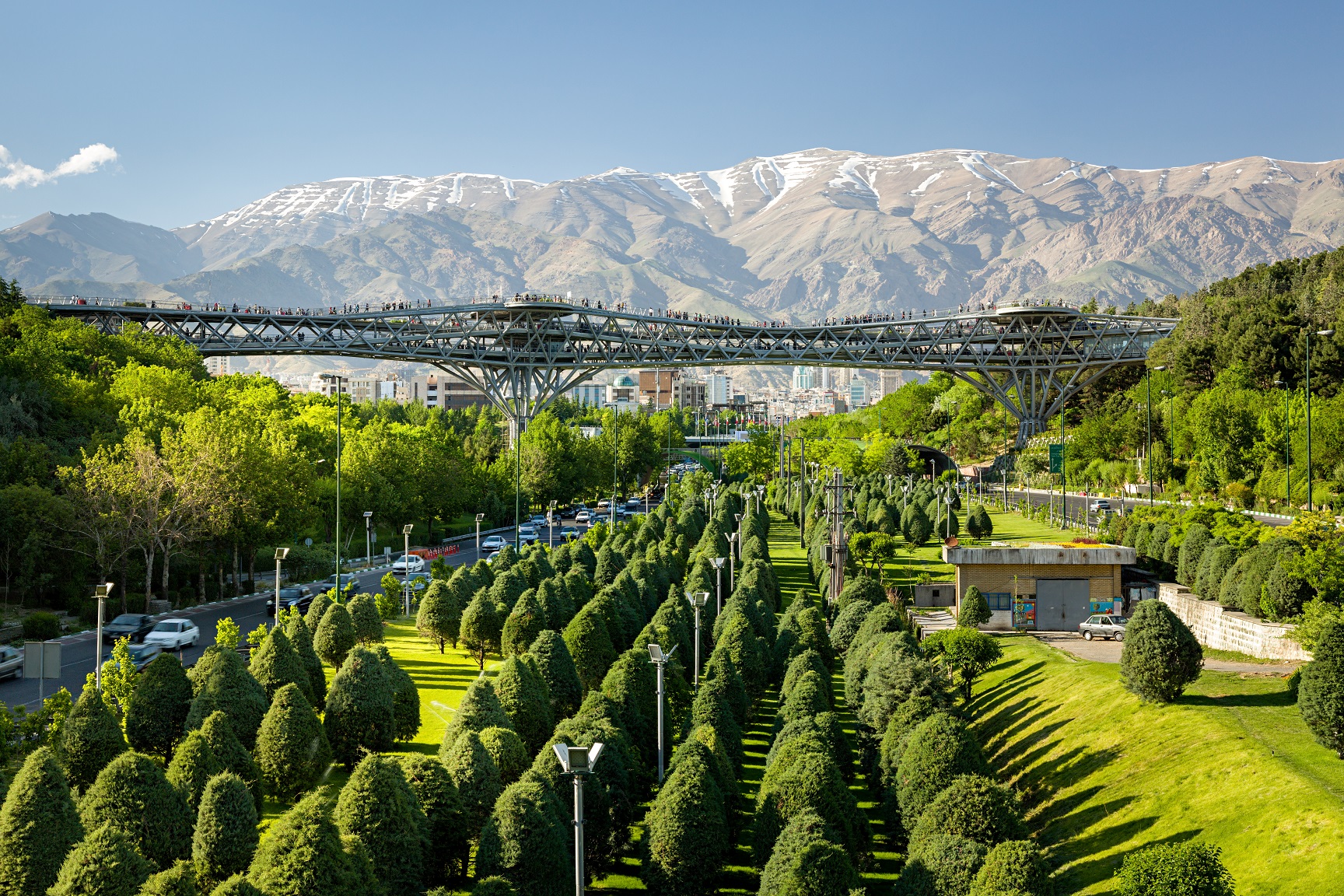
Tabiat Bridge: It is the largest pedestrian overpass in Tehran, Iran. The 270-metre (890 ft) bridge crosses the Modarres Highway, one of the main highways in northern Tehran, connecting two public parks – Taleghani Park and Abo-Atash Park.
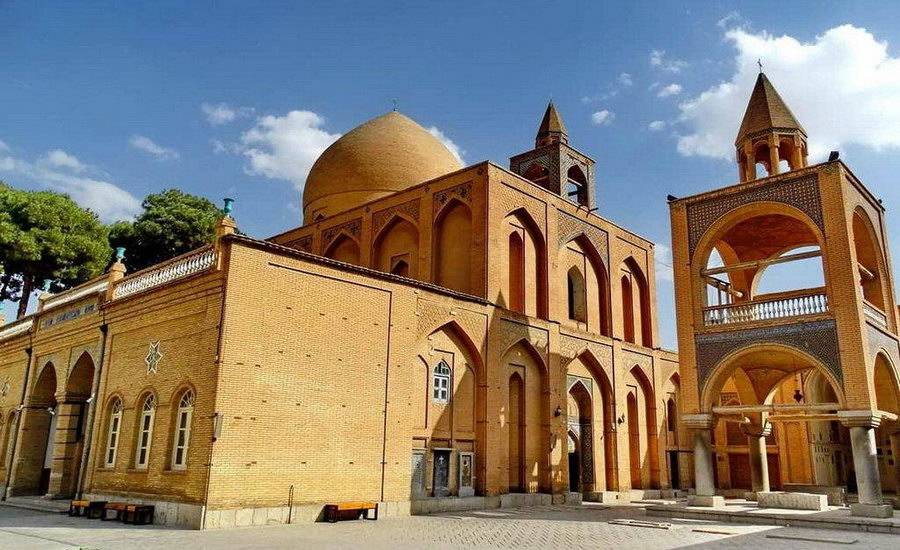
Vank Cathedral : A church affiliated with the Armenian Apostolic Church located in the New Julfa neighborhood of Isfahan, Iran. It is one of the churches built for the Armenians who were displaced from the regions along the Aras River in order to build the city of Isfahan during the reign of Abbas I, the Shah of the Safavids, at the end of the 16th century and the beginning of the 17th century.
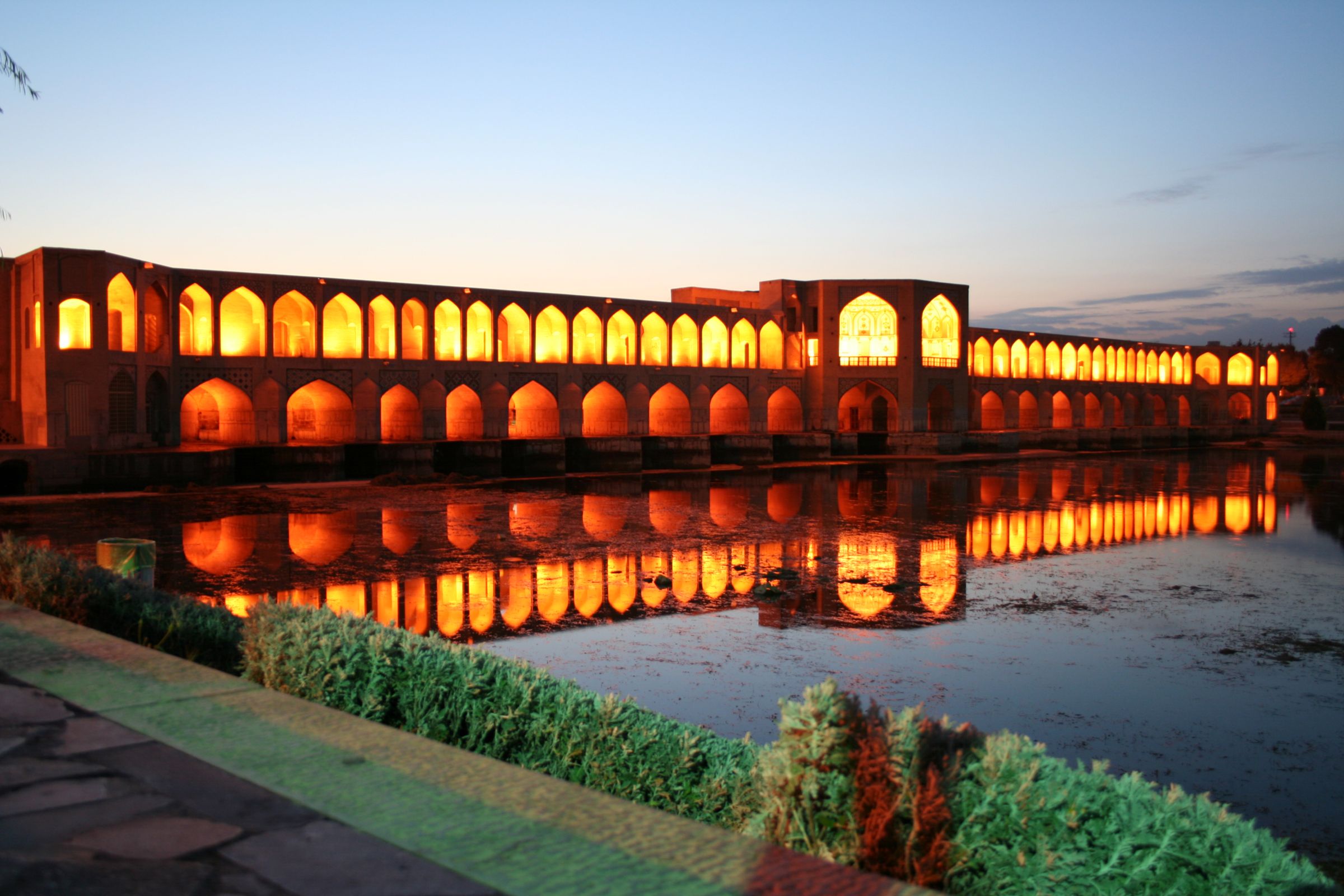
Khaju Bridge: It was built around 1650 during the reign of Abbas II, the seventh Safavid king (shah) of Iran, on the foundations of an older bridge.
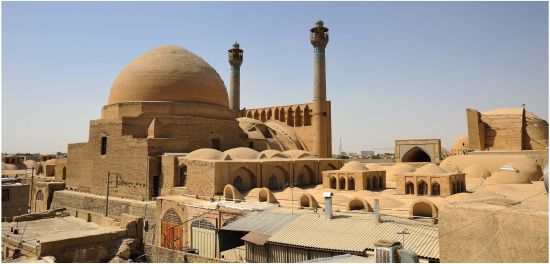
Isfahan Friday Mosque: It is a Friday mosque located in Isfahan Province, Iran. The mosque has reached its current form as a result of construction, reconstruction, additions and renovations that continued from 771 until the end of the 20th century. It was declared a World Heritage Site by UNESCO in 2012.
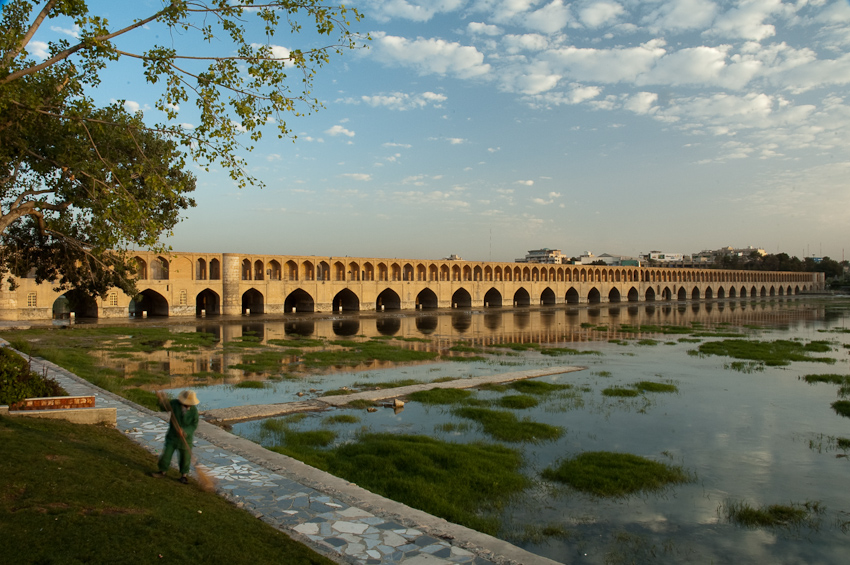
Allahverdi Khan Bridge (Si-o-se Pol): It is an arch bridge located in Isfahan, Iran. The bridge is one of the 11 bridges in Isfahan and is the longest bridge in Zayenderud with a length of 297.76 meters. It was built between 1599-1602.
Amir Chakhmaq Complex: It was built in the 15th century by Jalal-i Din Amir-Chakhmaq, the governor of Yazd during the Timurid period.
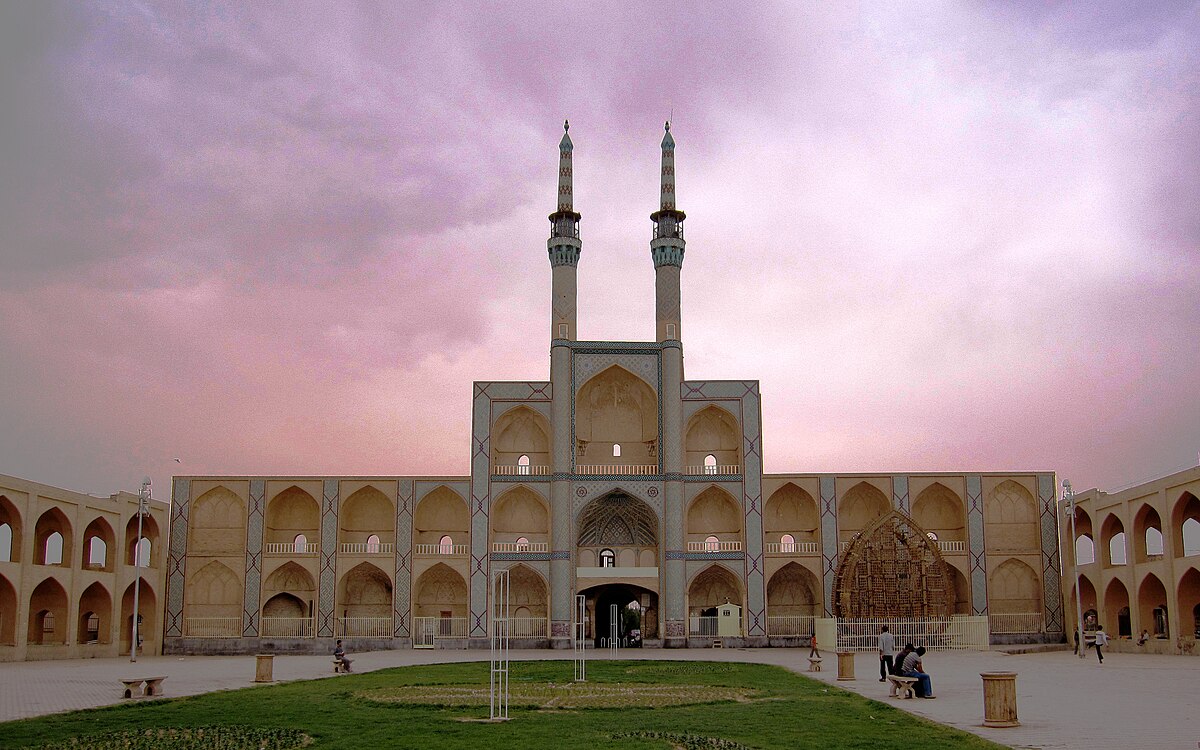
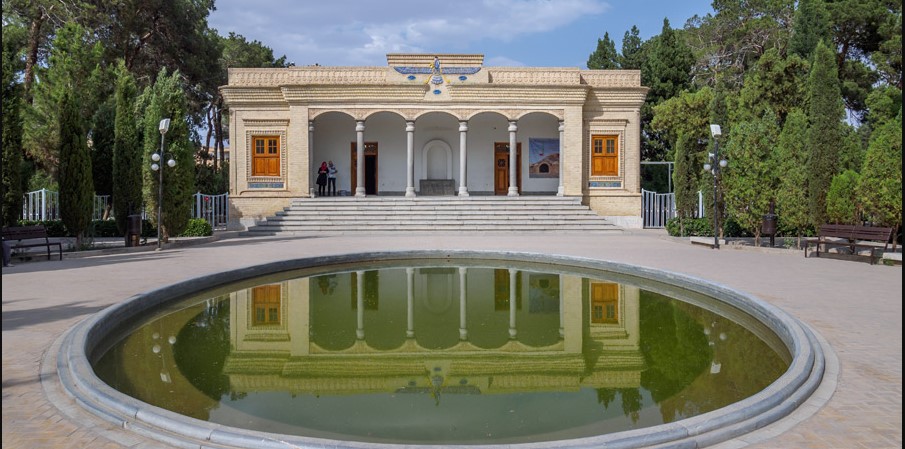
Yazd Fire Temple: A Zoroastrian fire temple located in Yazd. It houses the Atash Bahram, meaning “Victorious Fire”, dating back to 470 AD.
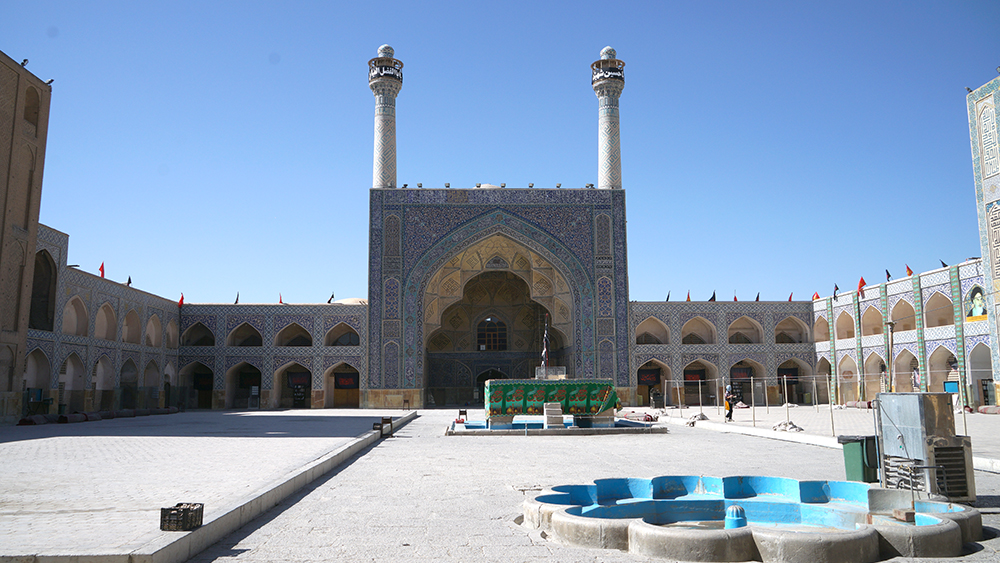
Jameh Mosque of Yazd is the largest congregational mosque (Jāmeh) of the city of Yazd in Yazd Province, Iran. The mosque is depicted on the obverse of the Iranian 200 riyals banknote.
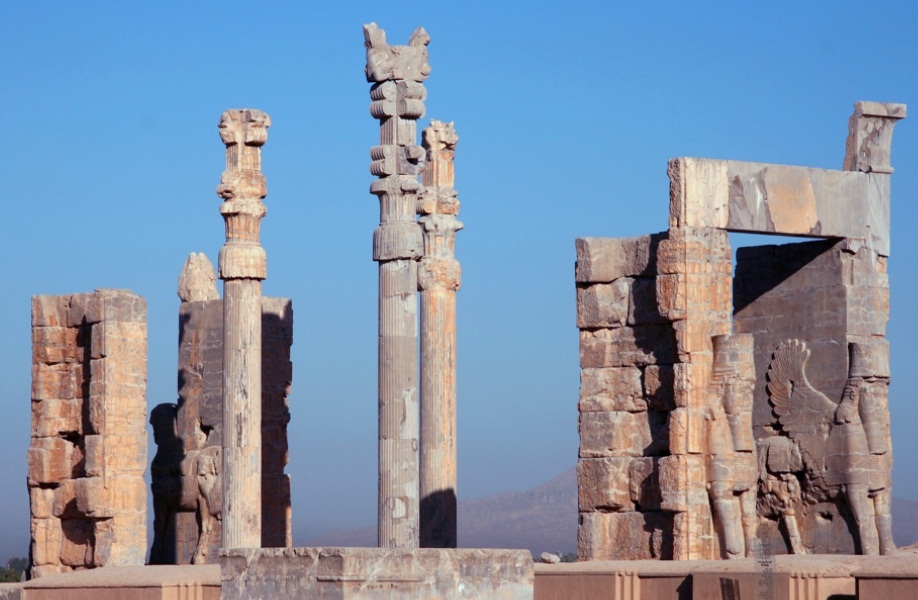
Persepolis, Shiraz: It was founded by the Persian King Darius I (Dara) towards the end of the 6th century BC. Xerxes I and Artaxerxes (Ardashir), who came to the throne after Darius, enlarged the city and filled it with various monuments.
Borujerdi House, Kashan: is a historical house museum in Kashan, Iran. It was built in 1857 by the architect Ustad Ali Maryam for the bride of Borujerdi, a wealthy merchant. The bride was from the wealthy Tabātabāei family, whose architect had also built the nearby Tabātabāei House a few years earlier.