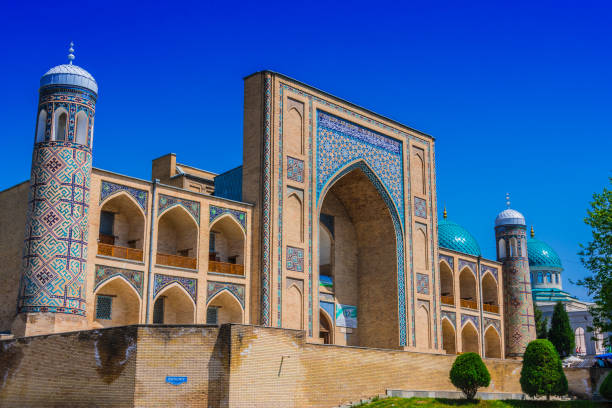
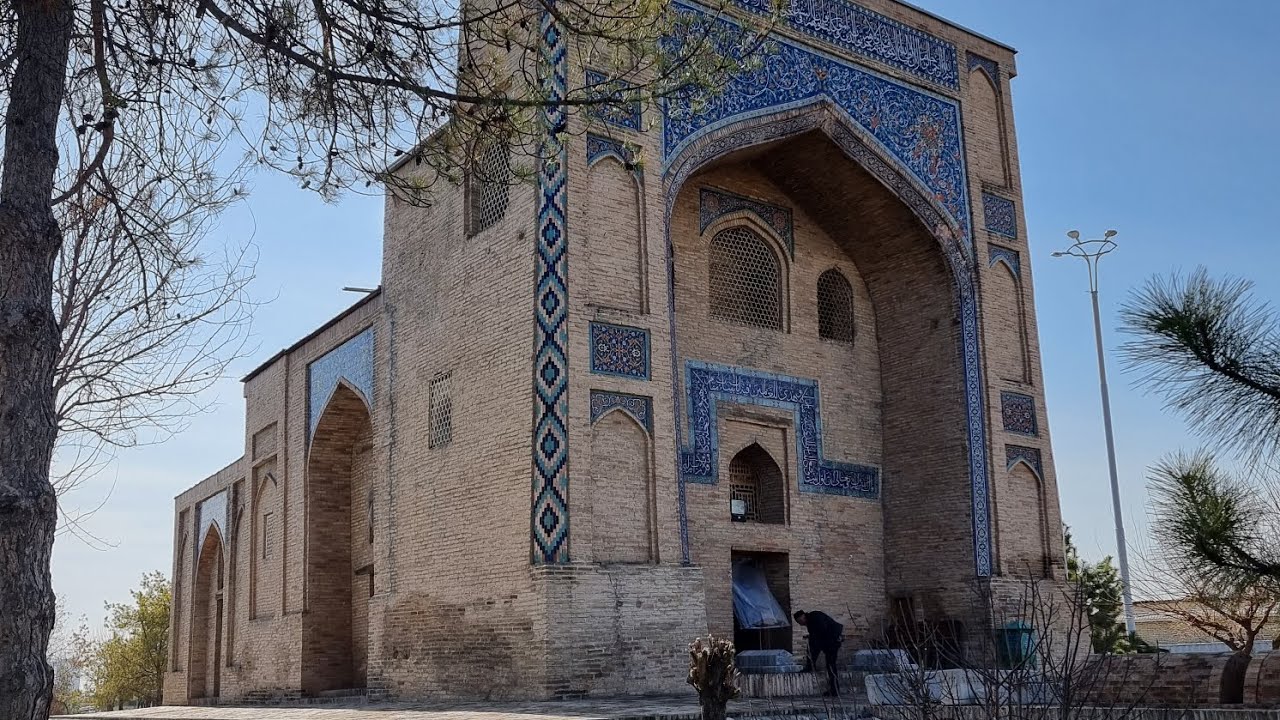
Kukeldash (Kökeldash) Madrasa: It is a medieval madrasa located in Tashkent, close to the Chorsu Bazaar and the Chorsu Metro Station. It was built around 1570 by the Shaybanid ruler Dervish Sultan.
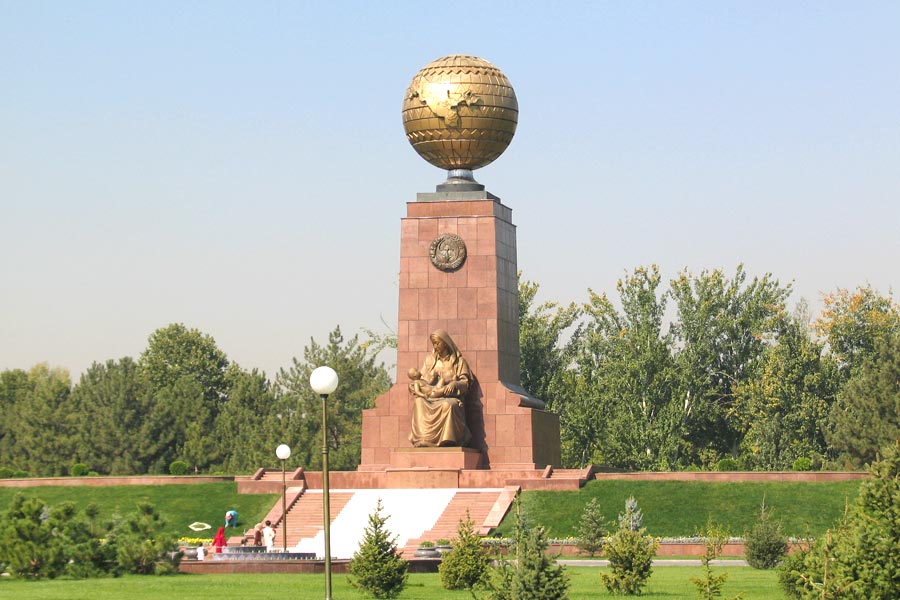
Independence Square : It is an important square and memorial complex in Tashkent, the capital of Uzbekistan. The square was built after Uzbekistan gained its independence in 1991.
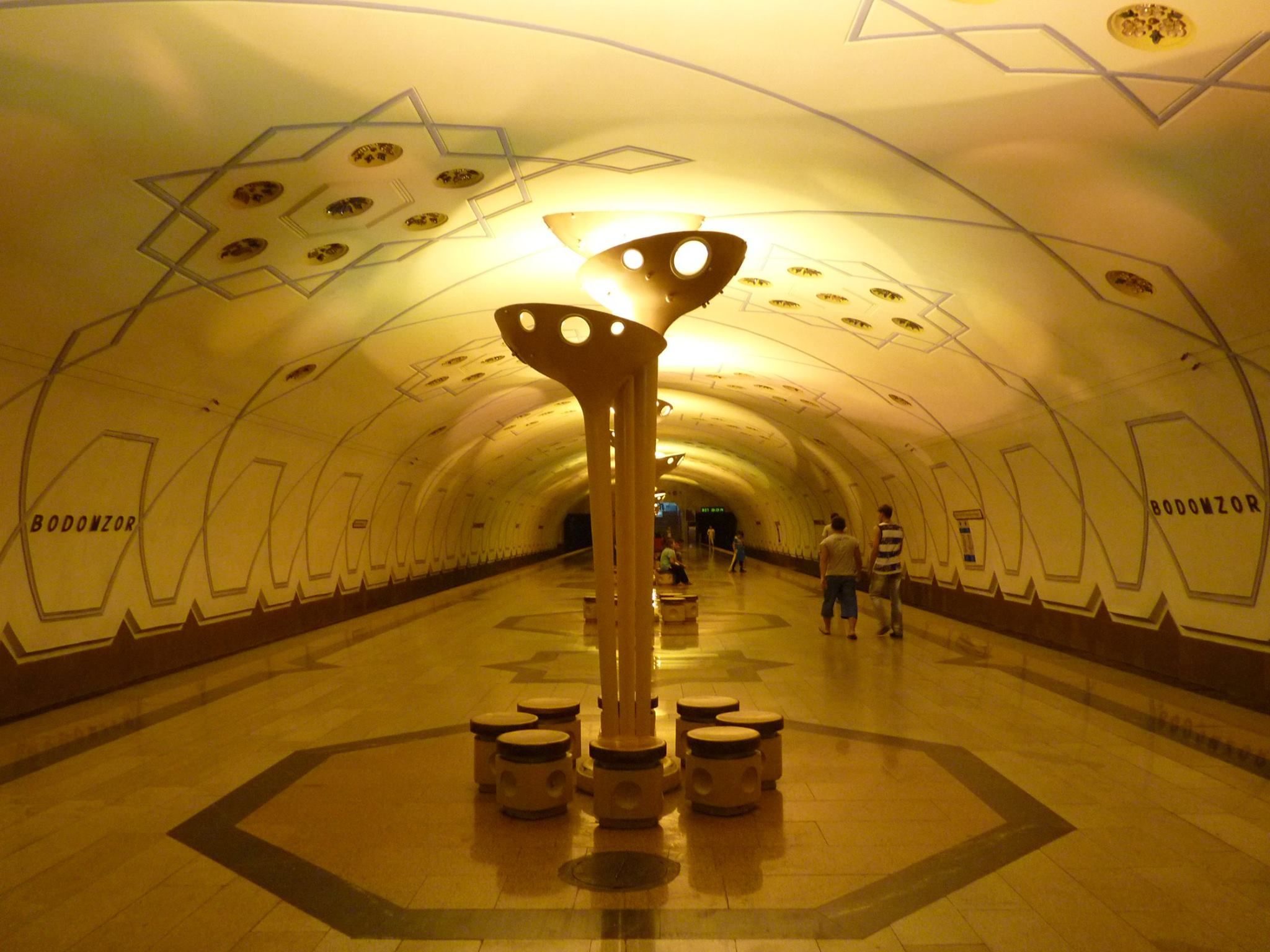
Tashkent Metro: Built in 1977 during the Soviet Union, the metro is an important part of Tashkent’s transportation infrastructure and is used to meet the intense transportation needs in the city.
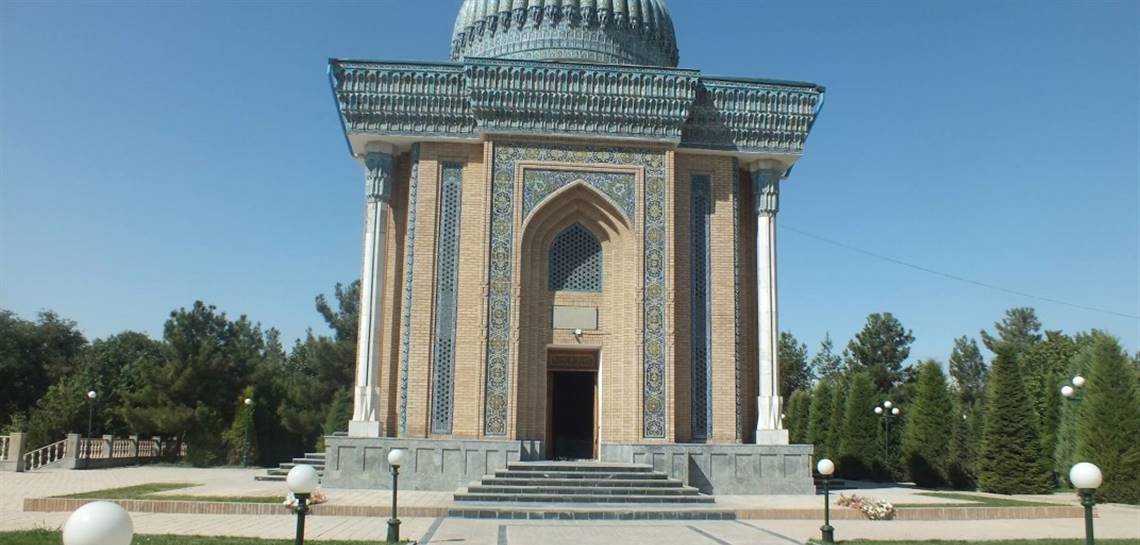
Samarkand Imam Maturidi Mausoleum: It is a mausoleum located in the city of Samarkand in Uzbekistan and has an important place in the Islamic world. This mausoleum contains the tomb of the Islamic thinker Imam Maturidi.
Çeşme-i Eyüp: It is a fountain that has an important spiritual value in the Islamic world. This fountain is attributed to Prophet Eyüp, the uncle of the Islamic prophet Hz. Muhammad (pbuh).
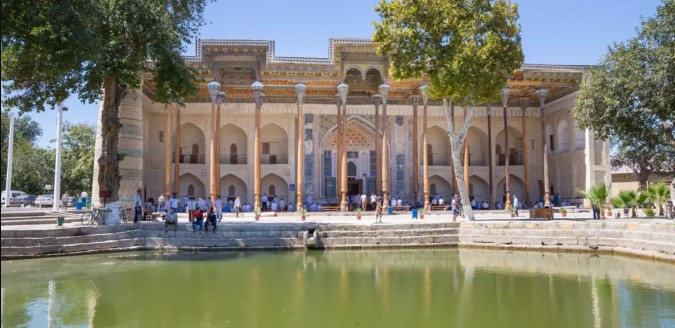
Bolu Hauz Mosque: It is a historical mosque located in Bukhara, Uzbekistan. It was built in 1712 on the opposite side of the Ark Fortress in the Registan district. It is on the UNESCO World Heritage List.
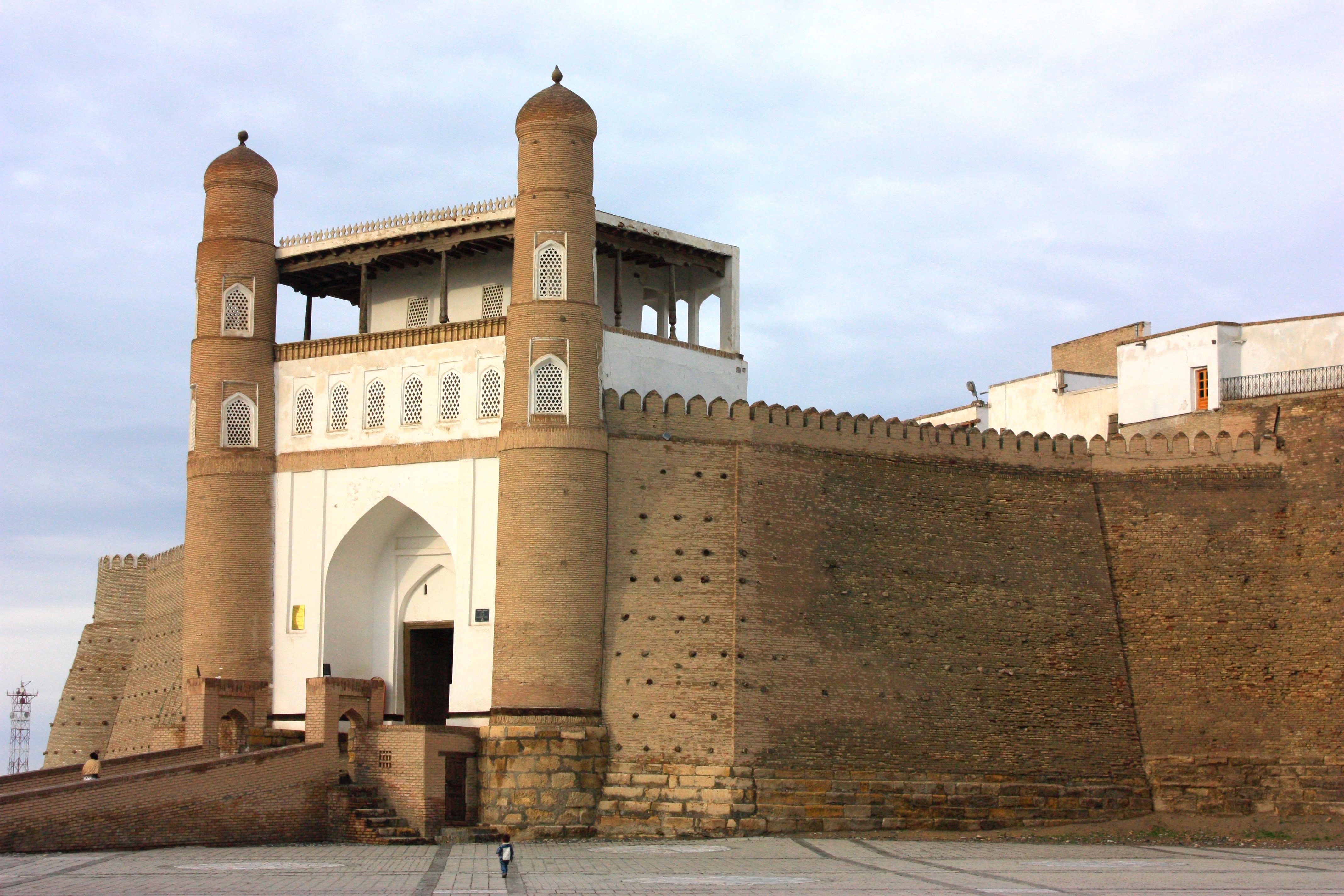
Ark Fortress: First built in the 5th century AD in Bukhara, Uzbekistan, it was used as a fortress until it was captured by Russia in 1920.
Leb-i Havuz: It refers to an important water pool and the surrounding square in the historical center of the city of Bukhara. It is estimated to have been built in the 16th century.
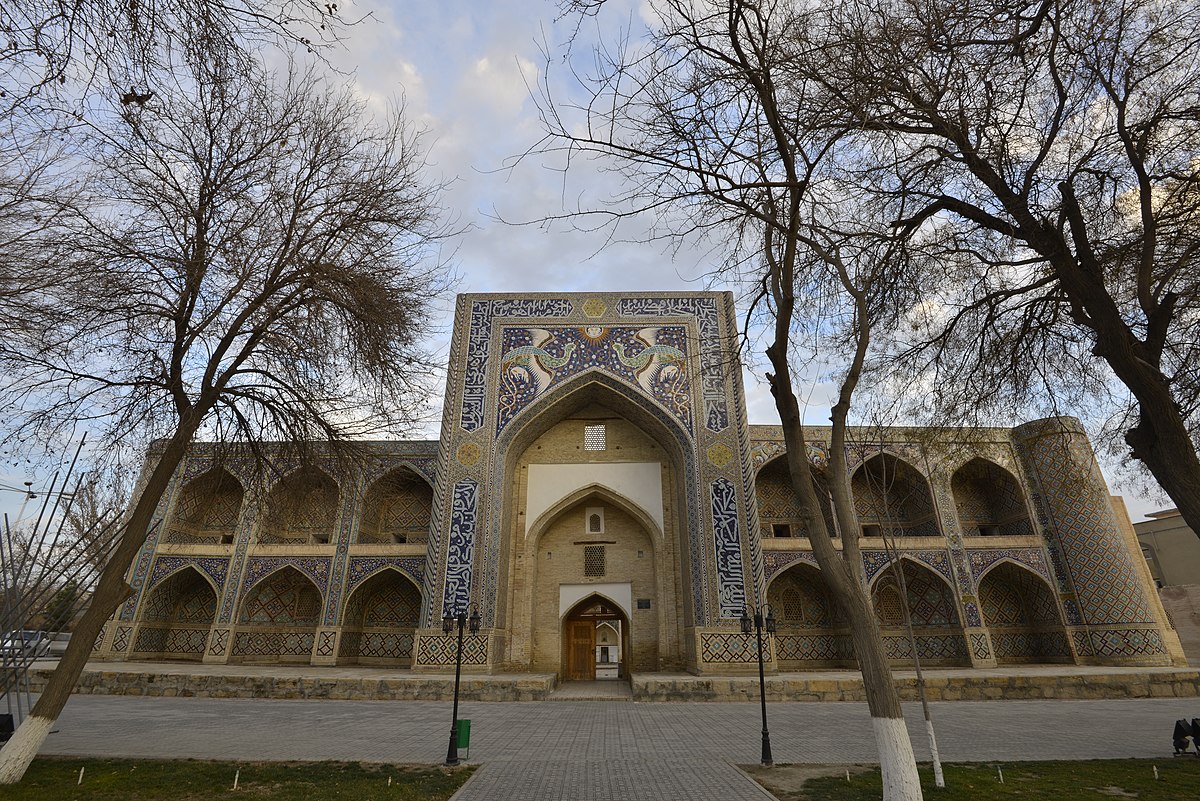
Magok-i Attari Mosque: It is a historical mosque in Bukhara. It forms part of the historical religious complex of Lyab-i Hauz. It is estimated to have been built in the 9th – 10th century.
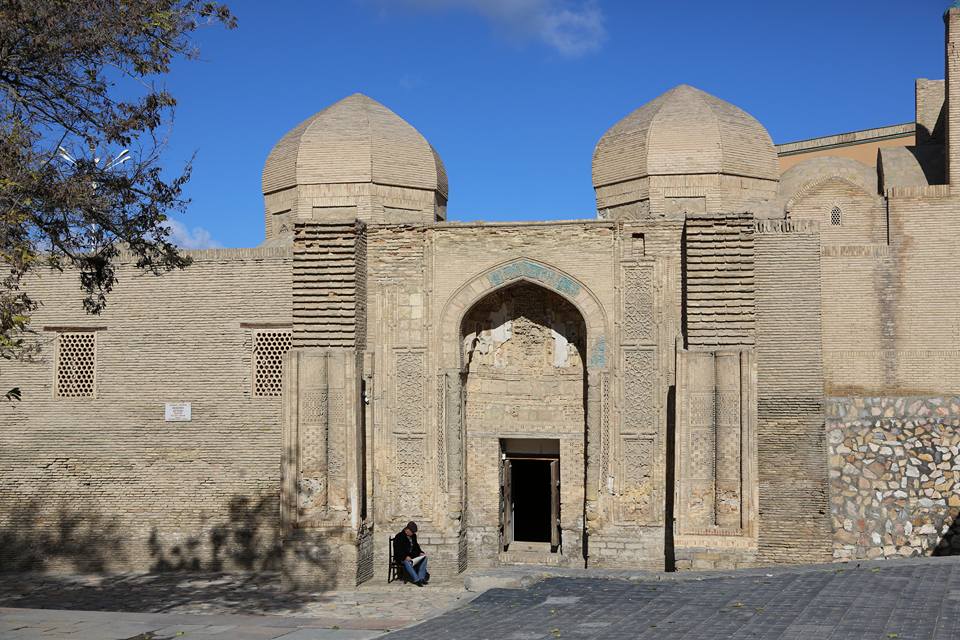
Mir Arab Madrasa: Located in the historic centre of Bukhara, it is part of the city’s historical district, which is a UNESCO World Heritage Site. Built in the 16th century, it is named after the Persian scholar Mir Arab.
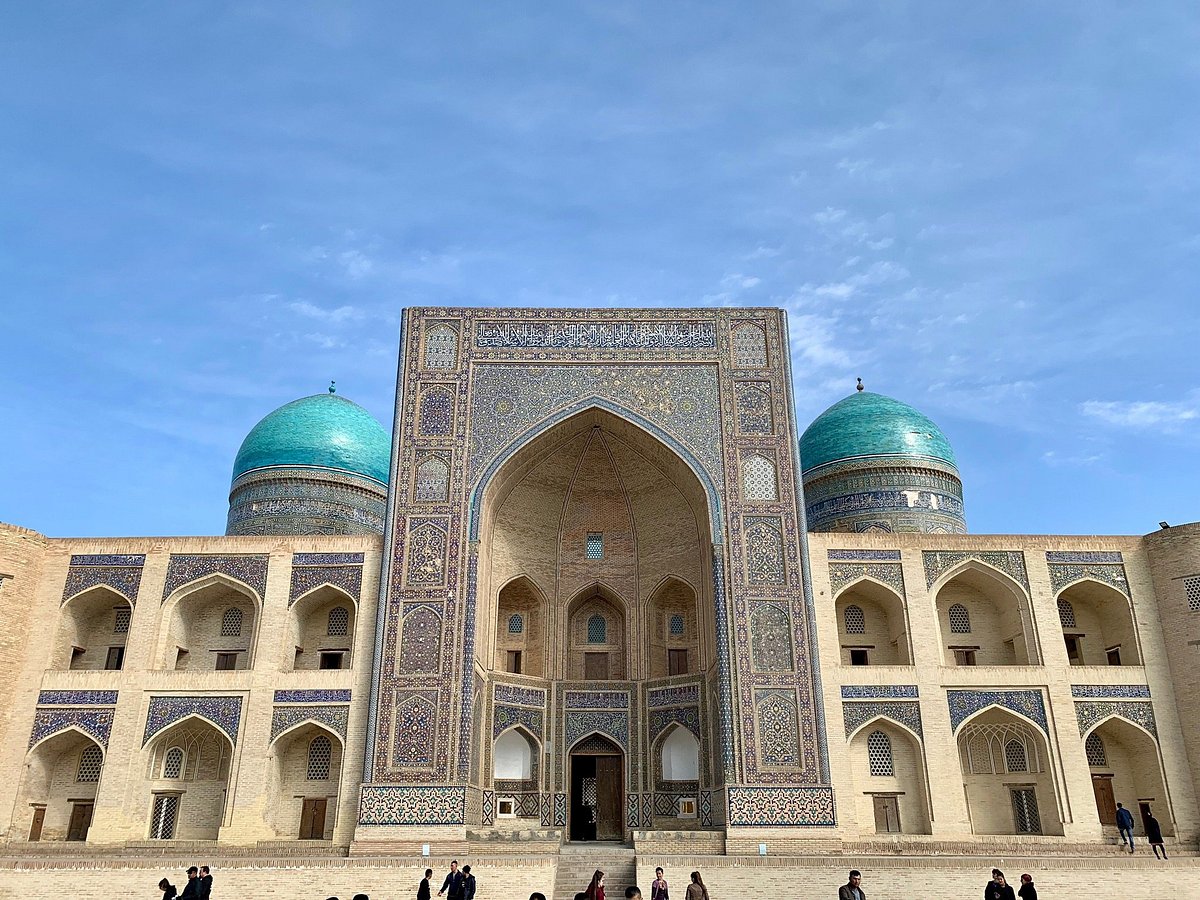
Hazreti Imam Complex: It was built in Tashkent, the capital of Uzbekistan, in 2007. It includes structures such as Barak Khan Madrasa, Muyi Mubarak Madrasa, Keffal Shashi Tomb, Tila Sheikh Mosque and Hast’i Imam Mosque.
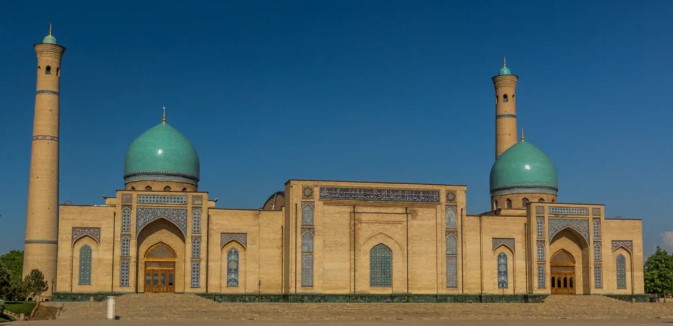
Barak Khan Madrasa : It is a historical building located in Tashkent, the capital of Uzbekistan. It was built in the 16th century in the Shaykhantaur District and is one of the important Islamic education centers of Central Asia. The madrasa bears the characteristic features of Central Asian architecture and reflects the art of the period. It is currently among the rare historical buildings preserved in Tashkent and is an important tourist attraction for visitors.
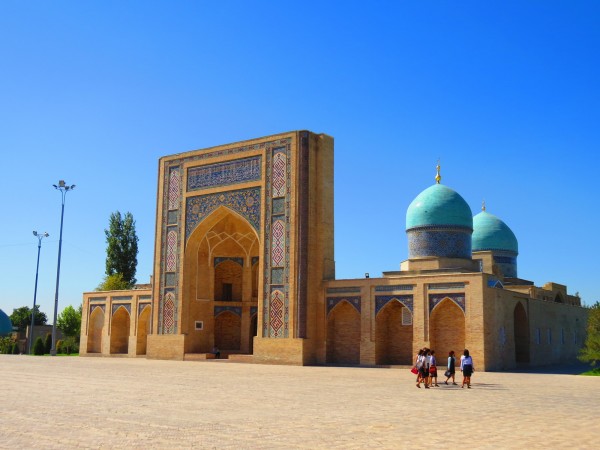
Kaffal Shashi Mausoleum: It is an important historical structure located in Tashkent, the capital of Uzbekistan. The mausoleum contains the tomb of Sheikh Abu Bakr Kaffal Shashi, a religious teacher and scholar known as Kaffal Shashi. Kaffal Shashi played an important role in the spread of Islam in Central Asia and was considered the spiritual leader of many people. The mausoleum bears the characteristics of Central Asian architecture and is an important part of the religious and cultural heritage of the region. It is an important place to visit for historical and religious tourism in Tashkent.
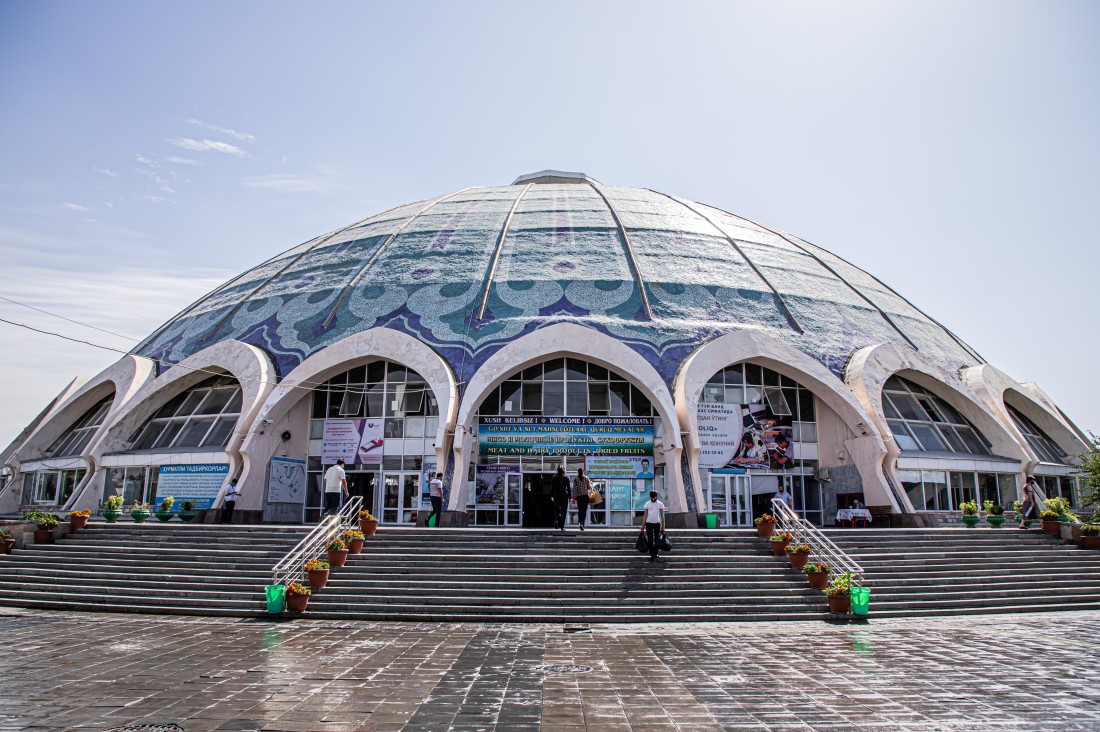
Chorsu Bazaar: It is a traditional bazaar located in the old city center of Tashkent, the capital of Uzbekistan.
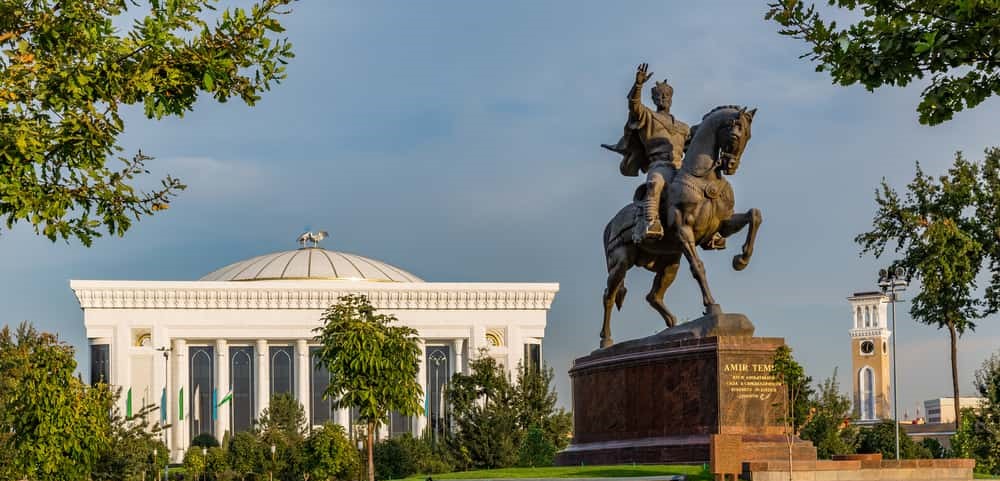
Emir Timur Square: Located in Tashkent, the capital of Uzbekistan, Emir Timur Square is an important square built in 1993 in memory of the famous Turkic-Mongol ruler Timur. In the center of the square is a large statue of Timur on a horse.
Gur-i Emir: It is the tomb and social complex of Timur, the founder of the Timurid Empire. Its construction began in 1399 and was completed in 1405.
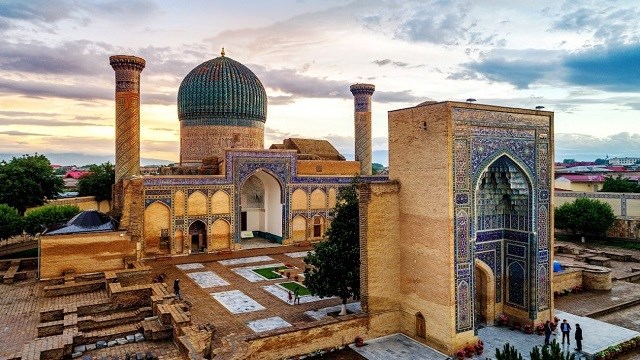
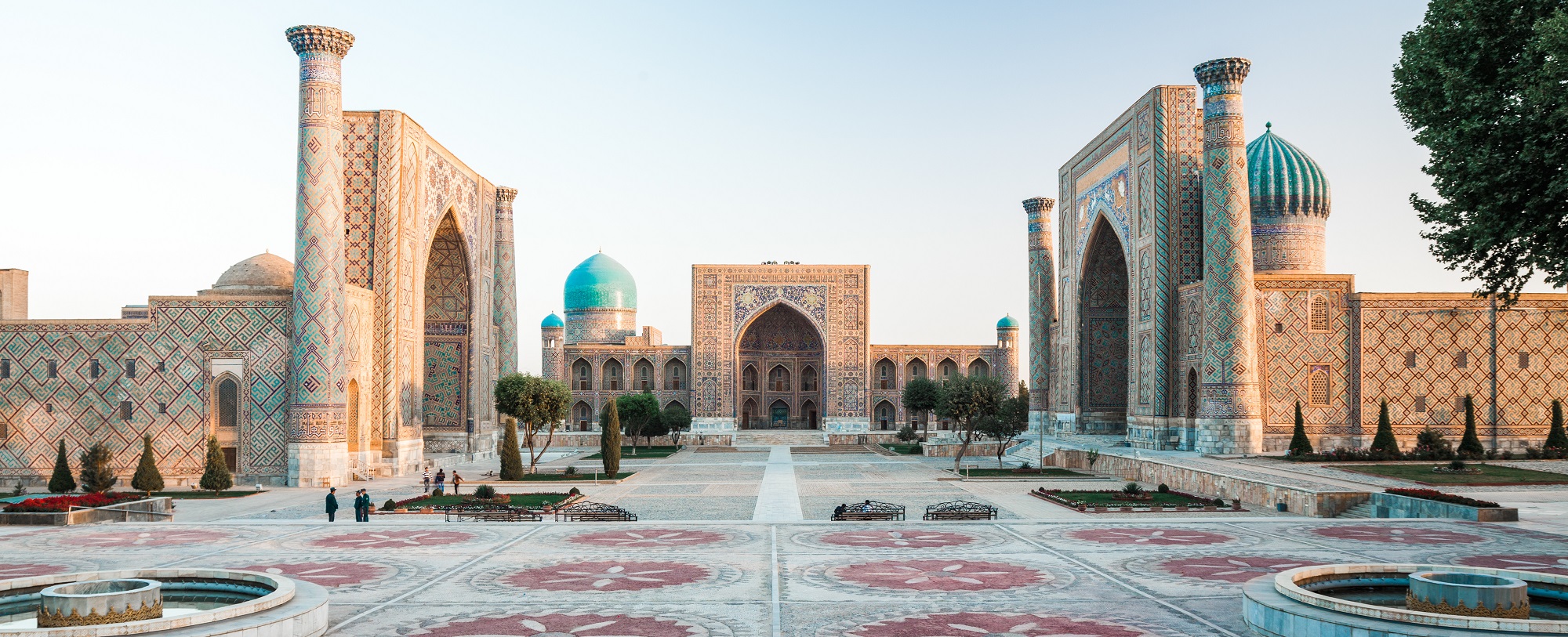
Registan Square, Samarkand: It is one of the rare examples of Central Asian Turkish architecture. It is a square in the center of Samarkand, where three separate madrasahs with tiled doors were built in the 15th century by Ulugh Beg, the grandson of Emir Timur.
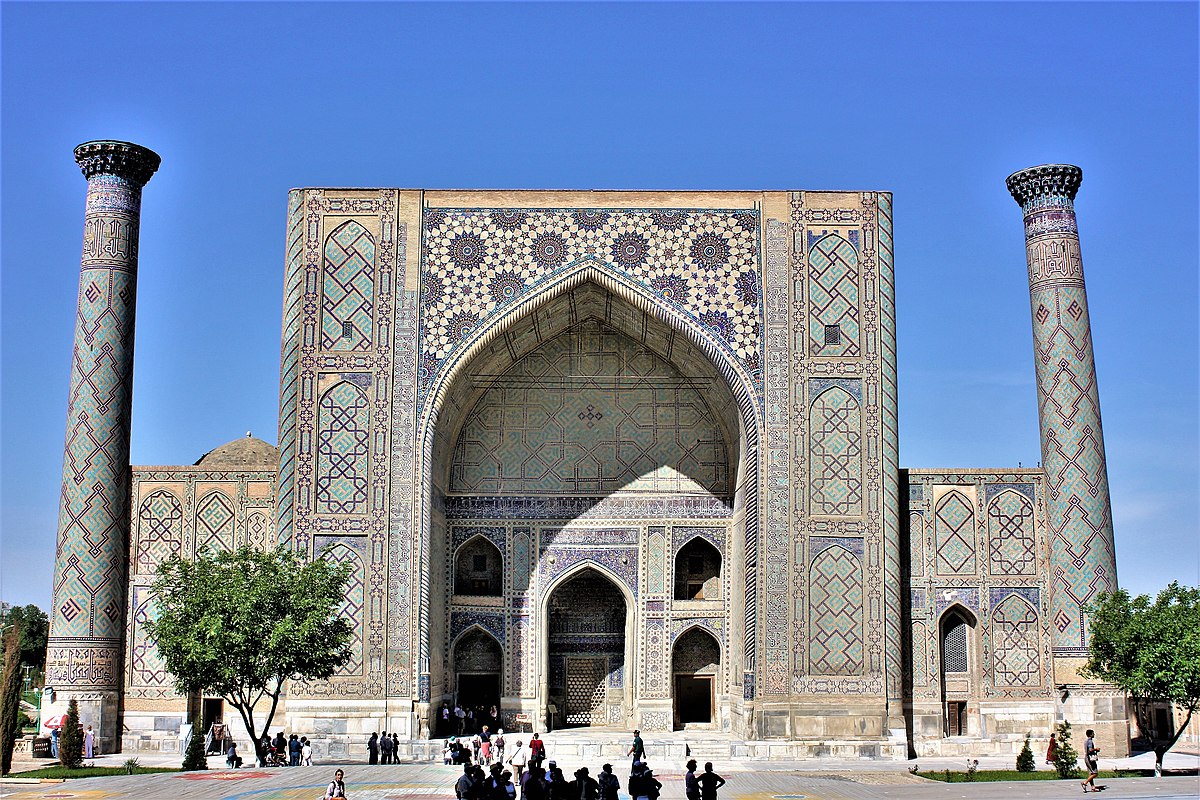
Ulugh Beg Madrasa: It is a madrasa built by Ulugh Beg, the 4th sultan of the Timur Empire, between 1417 and 1420, opposite Registan Square in Samarkand.
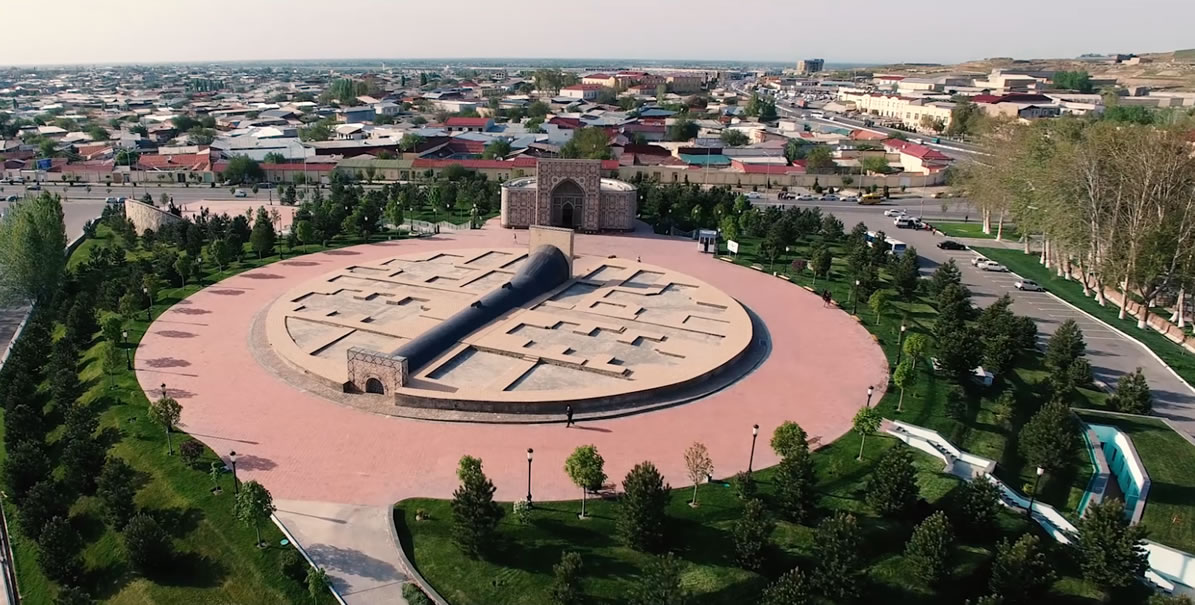
Ulugh Beg Observatory: It is a 3-storey observatory built in 1421 by Ulugh Beg, the 4th sultan of the Timur Empire.
Tilla Kari Madrasa: It was built between 1647-1659.
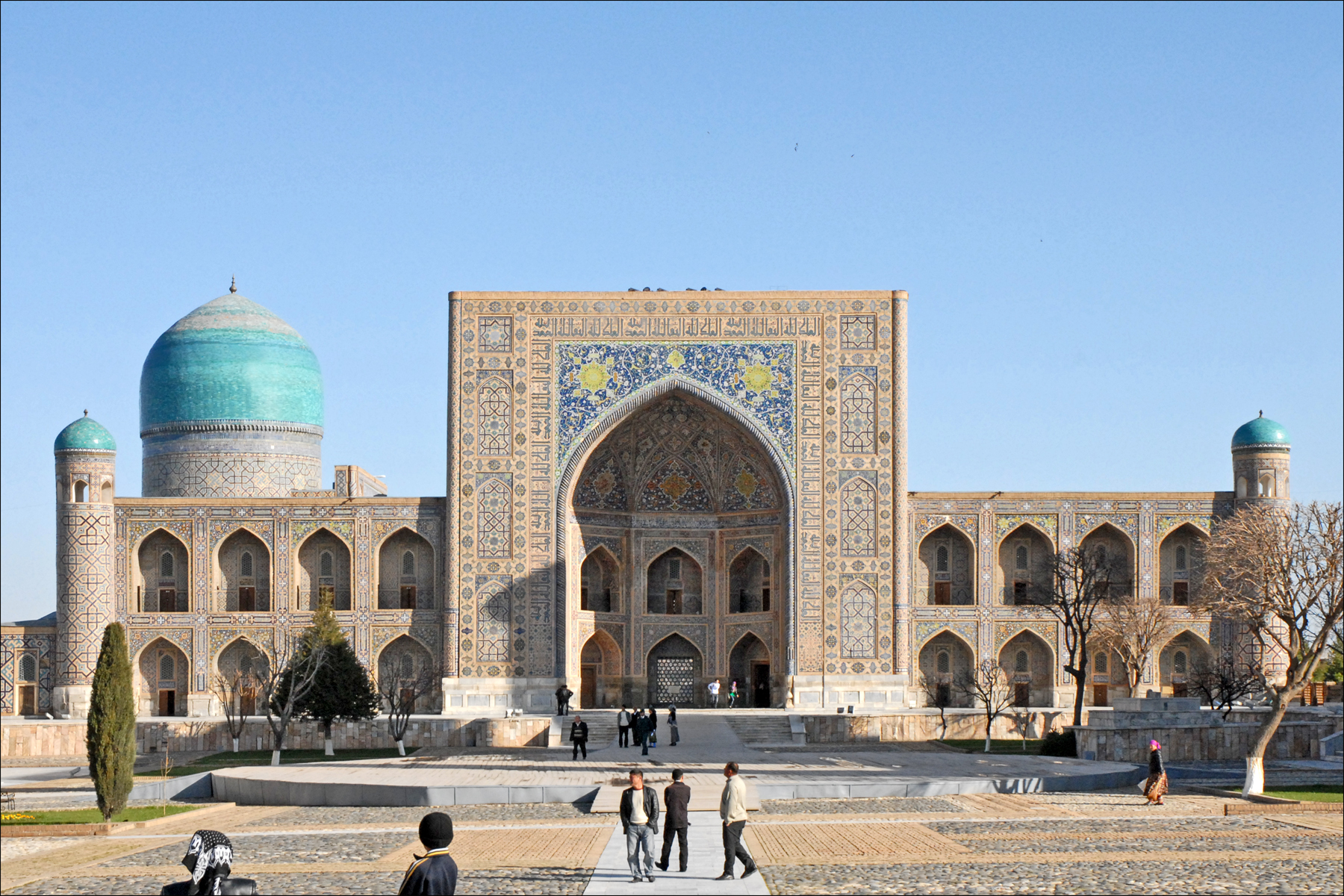
Şir-Dor Madrasa: It was built between 1619-1636 by the order of the 17th century Samarkand Ruler Yalangtuş Bahadır.
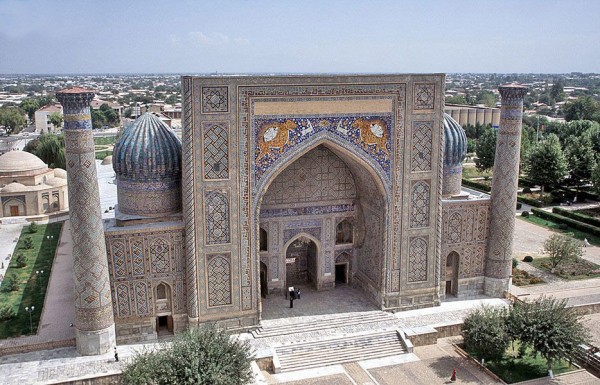
Bibi Khanum Mosque: It is one of the most important monuments of Samarkand. It was one of the largest and most magnificent mosques in the Islamic world in the 15th century. Its construction began in 1399 and was completed in 1404.
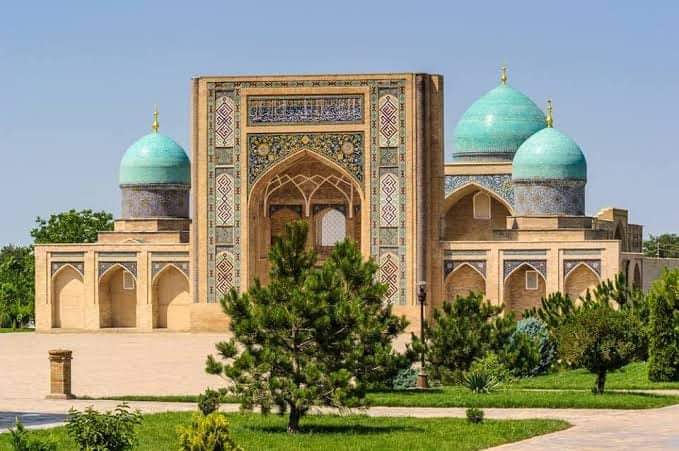
Shah-i-Zinda is a necropolis located in Samarkand in north-eastern Uzbekistan. Shah-i-Zinda contains mausoleums and other ritual buildings of the 9th–14th and 19th centuries.
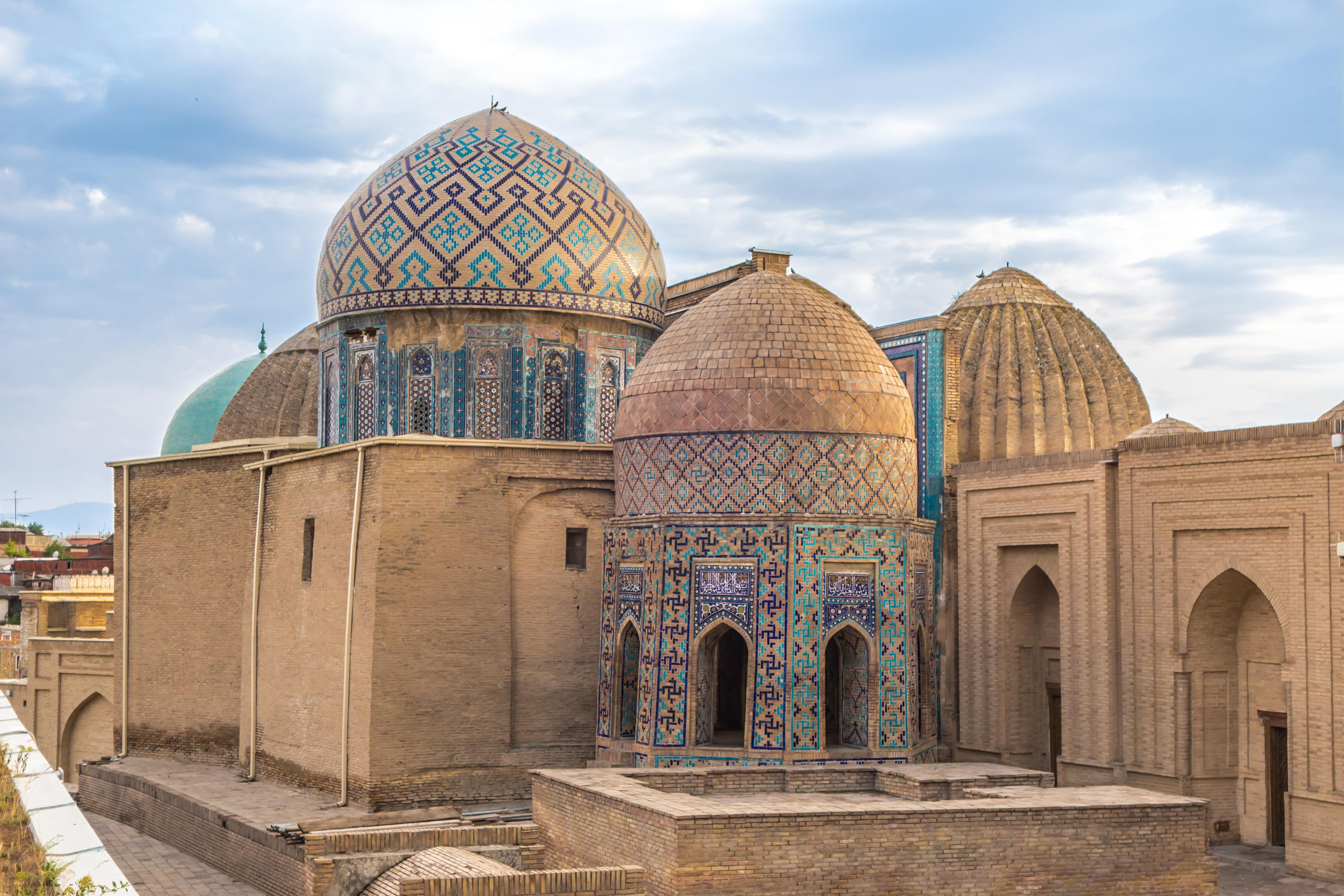
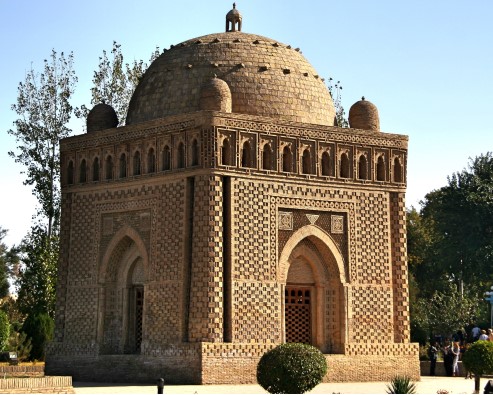
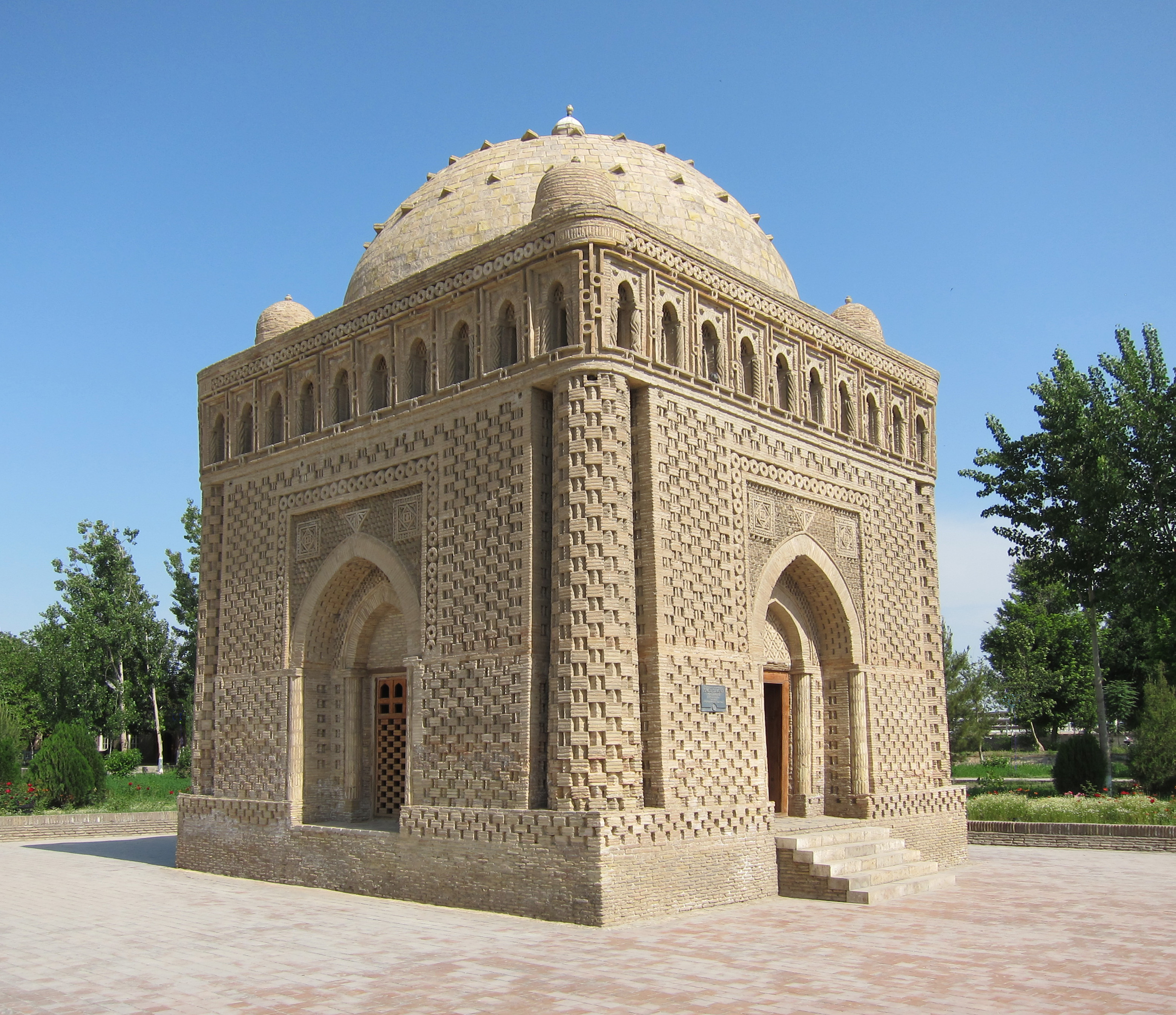
Samani Mausoleum: It is a mausoleum built in the 10th century, located in Bukhara, Uzbekistan. The mausoleum is considered one of the iconic examples of early Islamic architecture and is known as the oldest tomb building in Central Asian architecture.
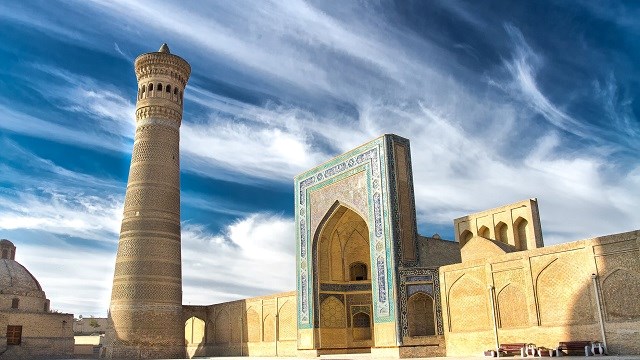
Kalan Minaret: The minaret of the Po-i-Kalan Mosque complex in Bukhara, Uzbekistan, and one of the city’s most prominent symbols. It was built by the Karakhanid ruler Muhammad Arslan Khan in 1127.
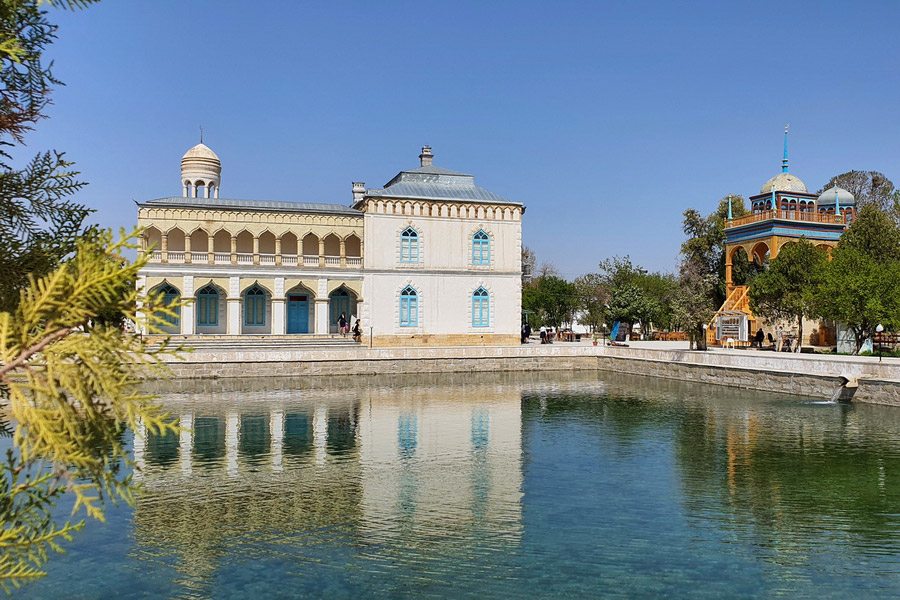
Sitori-i-Mokhi Khosa Palace: Also known as the “Palace Like the Stars and the Moon”, it was the country residence of the Emir of Bukhara, built in the late 19th – early 20th centuries. It currently houses the Museum of Decorative and Applied Arts.