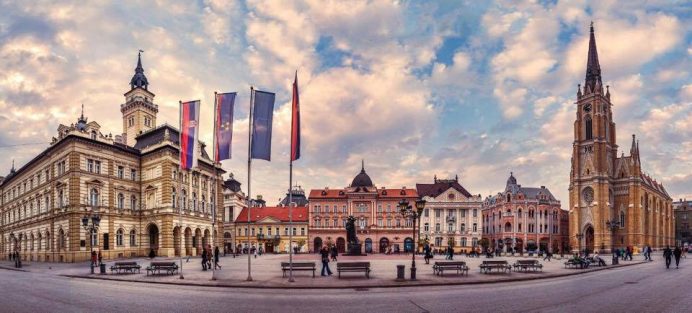
Belgrade Fortress: The fortress is located at the confluence of the Sava and Danube rivers in the municipality of Stari Grad and consists of the old fortress and Kalemegdan Park. It was built in 279 BC by the Eastern Roman Emperor Justinian I. The Belgrade Fortress was declared a Cultural Monument of Exceptional Importance in 1979.
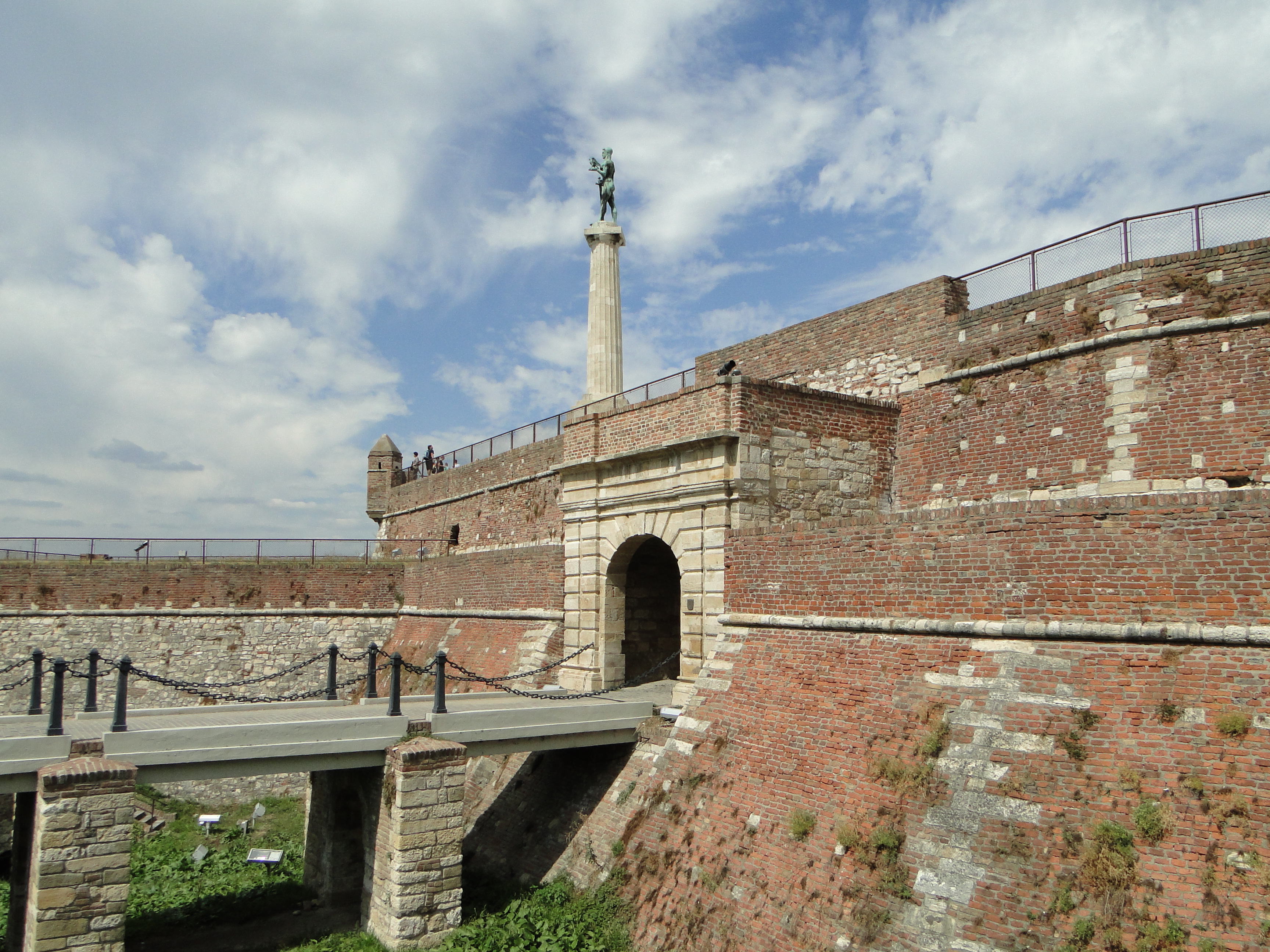
Nikola Tesla Museum: It was established in 1952 to exhibit the personal belongings of Nikola Tesla, the inventor of the Tesla unit. The museum exhibits approximately 160,000 original documents and 5,700 personal belongings. The museum was established on December 5, 1952, by the decision of the Yugoslavian government, which was in power at the time, and was opened to the public on October 20, 1955.
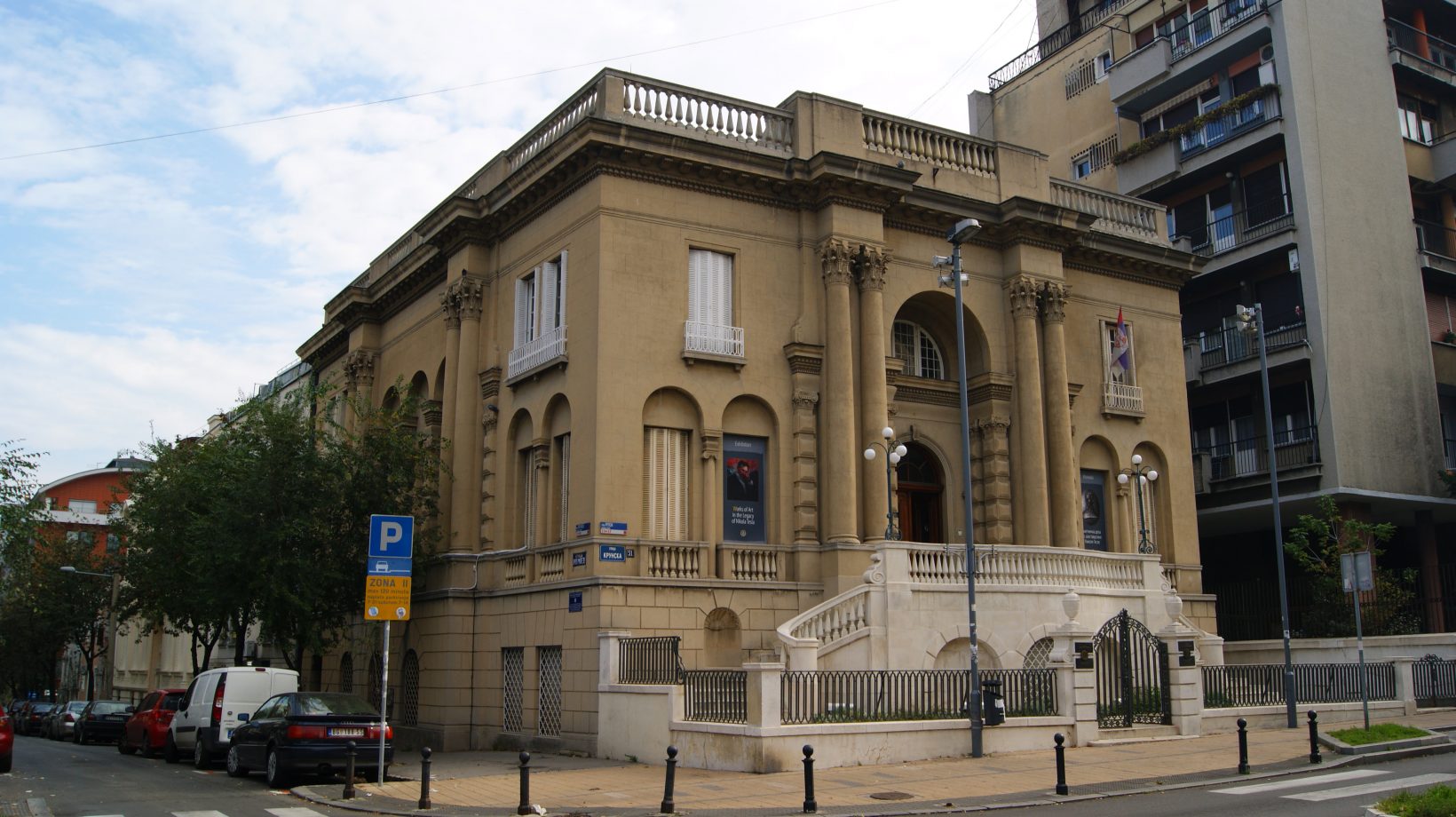
The Cathedral of Saint Sava is an Orthodox church located in Belgrade, the capital of Serbia. The church is dedicated to Sava, the founder of the Serbian Orthodox Church and an important figure in medieval Serbia.
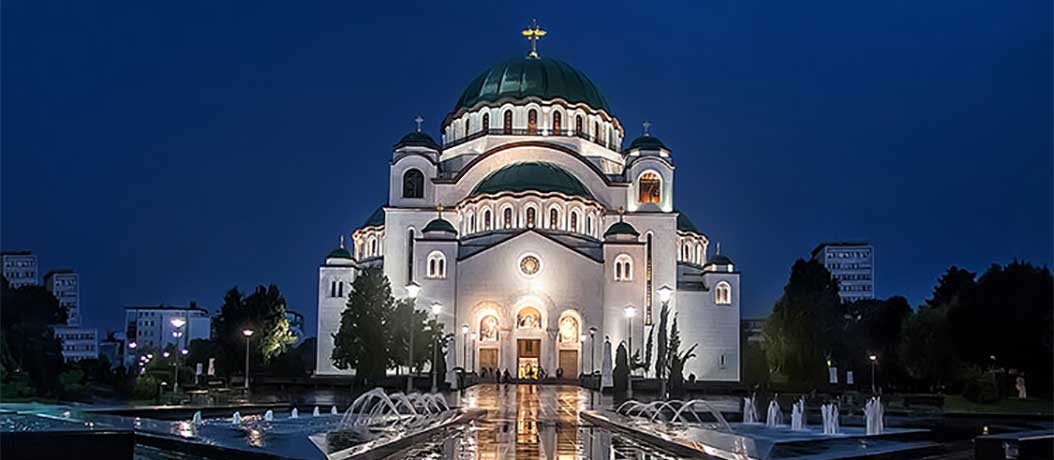
Danube River: The Danube river basin is the second largest river basin in Europe after the Volga River, with a total area of 801,463 km2. The river flows through 11 countries and empties into the Black Sea.
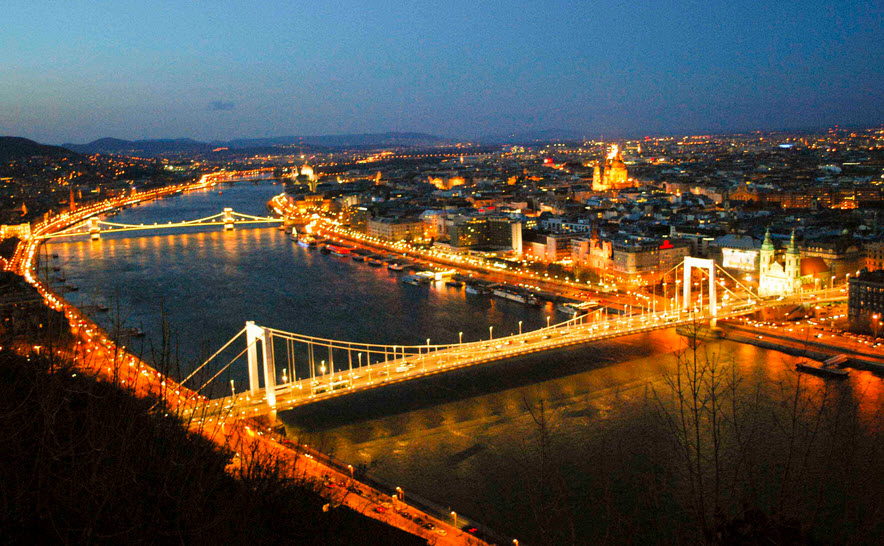
Sava Lake: It is one of the right tributaries of the Danube River. It meets the Danube River in Belgrade, the capital of Serbia. Its length is approximately 990 kilometers and its basin is 95,719 km². While flowing, it passes through the borders of a total of four countries: Slovenia, Croatia, Bosnia-Herzegovina and Serbia.
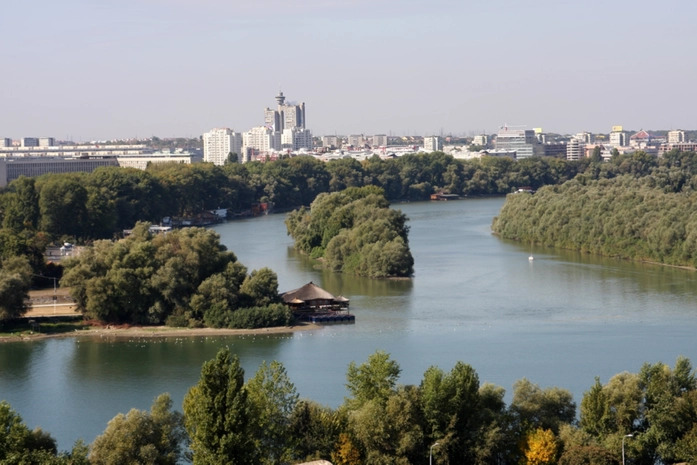
Bayraklı Mosque: It was built around 1575 in Belgrade, the capital of today’s Serbia, during the Ottoman period.
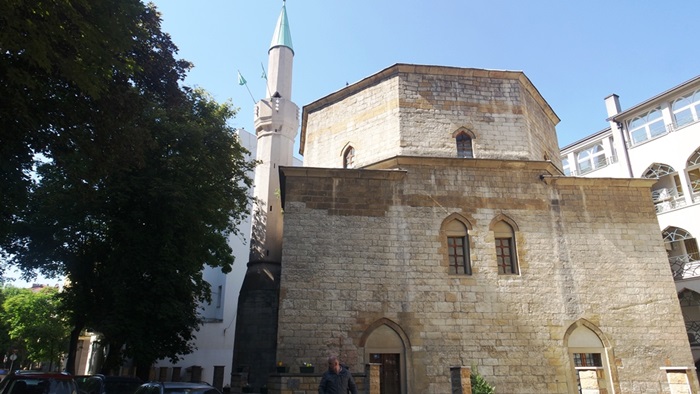
Catholic Church Novi Sad: Located in Serbia’s Freedom Square. Built in the early 18th century, it is the largest Catholic church in Novi Sad. It is also the first Catholic church built within the borders of Novi Sad. Built in 1742, the church was burned down during the war. The ruins of the church were renovated in 1864.
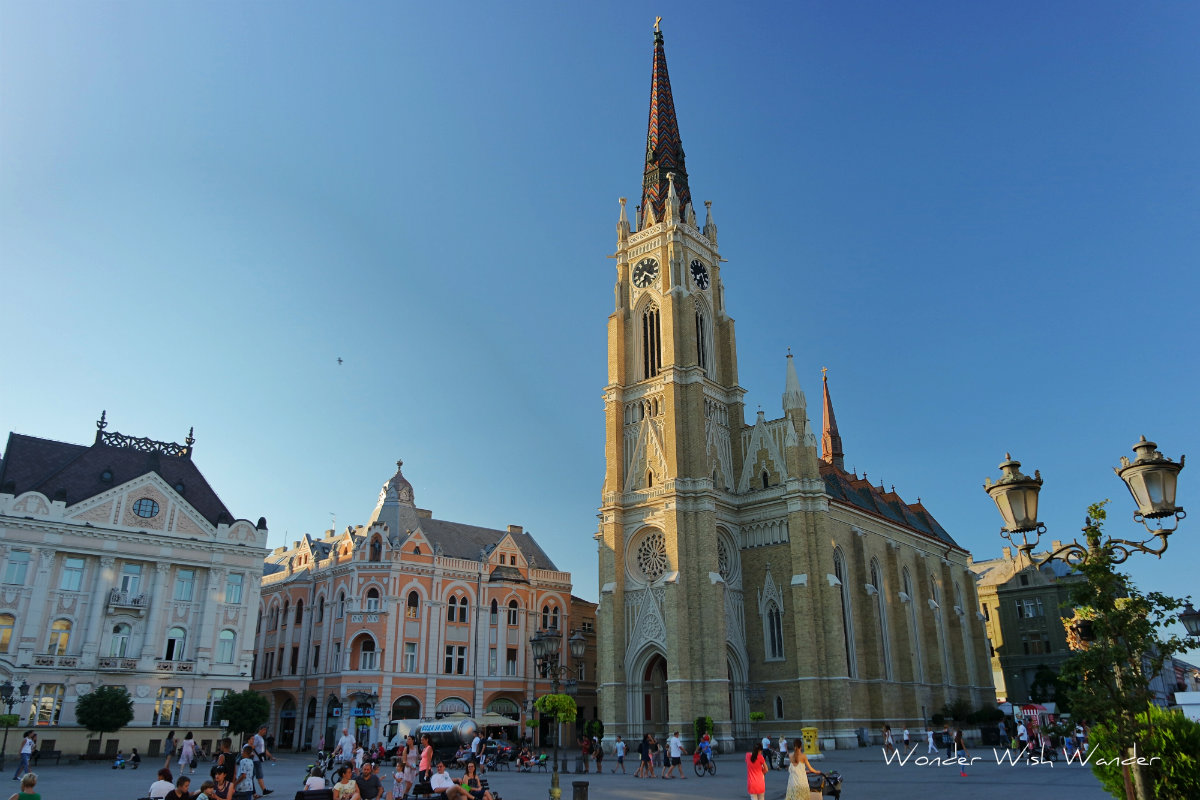
Belgrade Clock Tower: It is a historical tower located in the center of Belgrade, the capital of Serbia. It was built in the late 19th century and is one of the city’s symbolic structures. The tower was built between 1884 and 1889 during the Austro-Hungarian Empire. The main tower attracts attention with its clock mechanism and chimes.
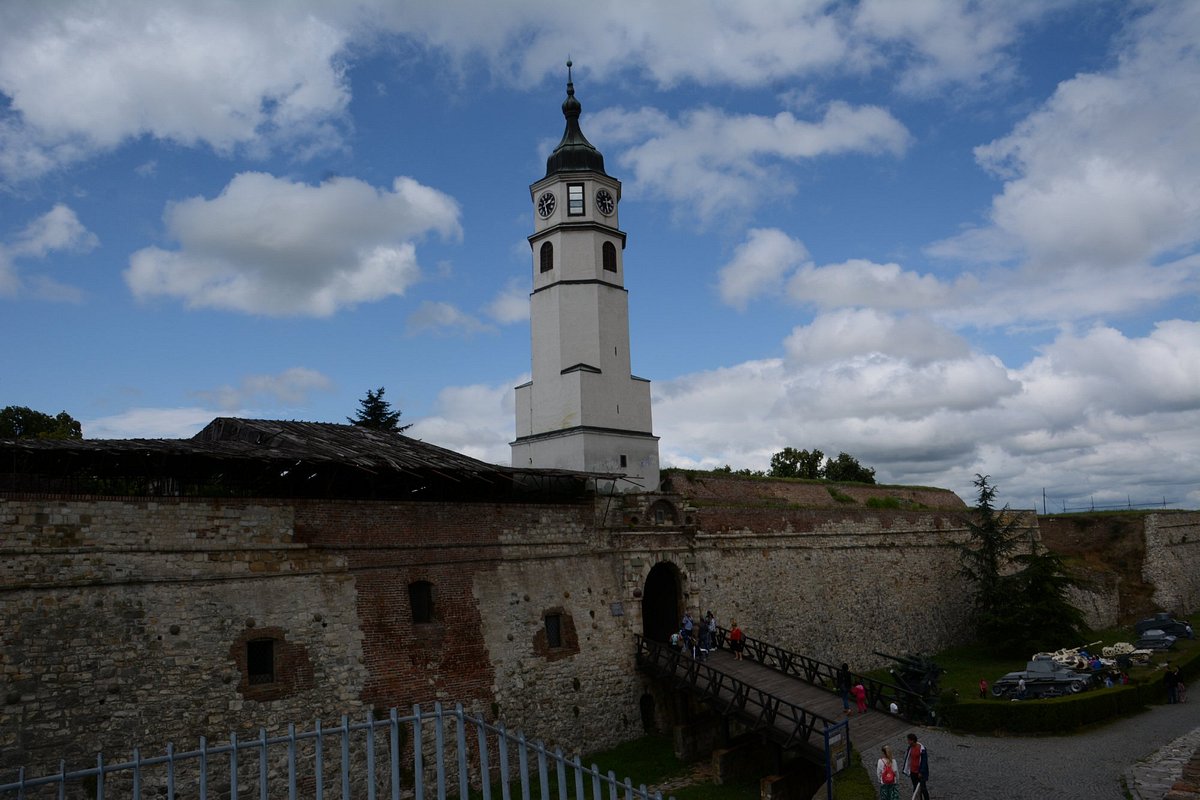
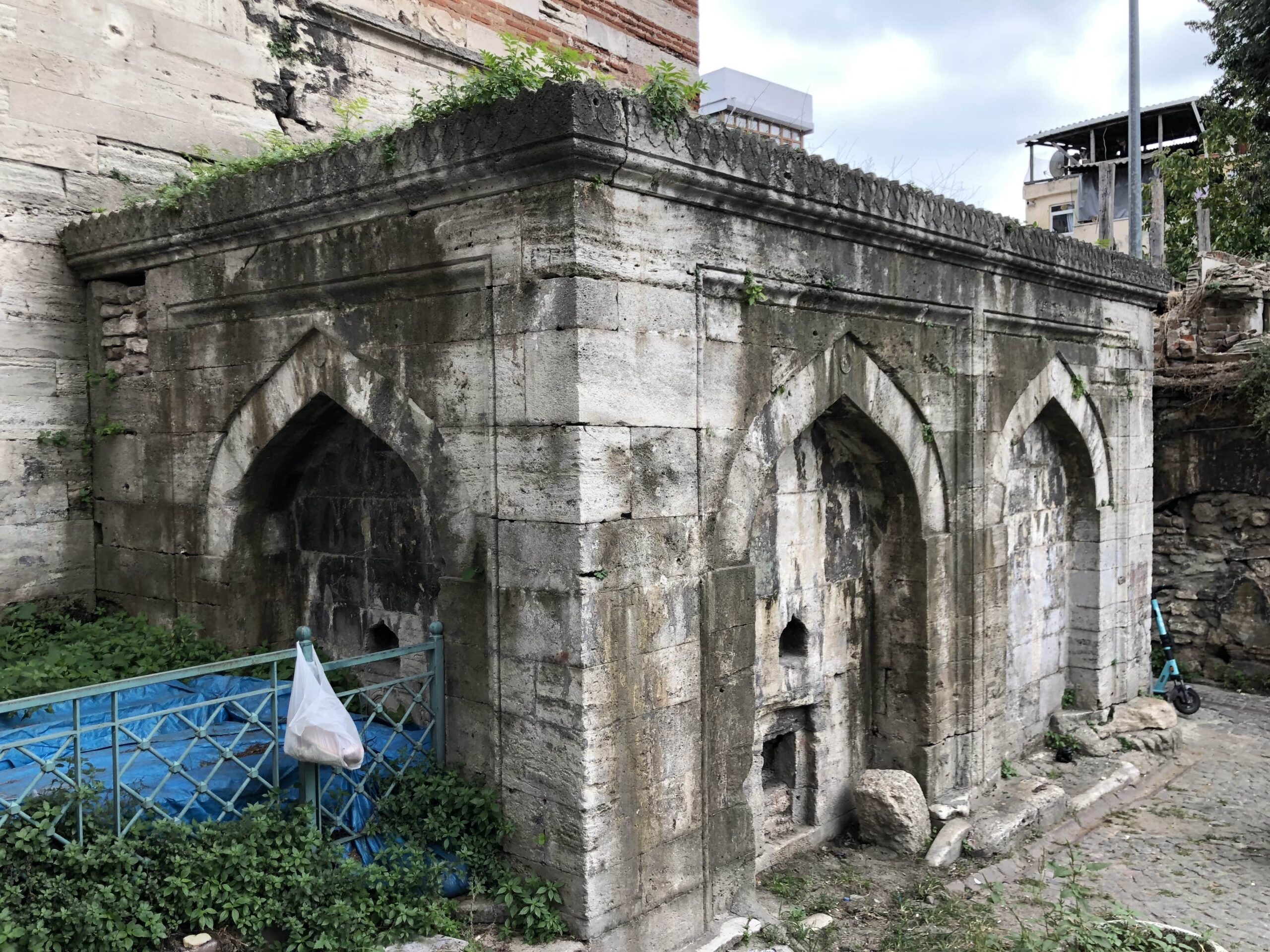
Sokollu Mehmet Pasha Fountain: It is an Ottoman-era fountain located in Belgrade. Evliya Çelebi states that the fountain was built in 1576/77 during the lifetime of Grand Vizier Mehmed Pasha Sokolović and is the only foundation in Belgrade that has survived to the present day.
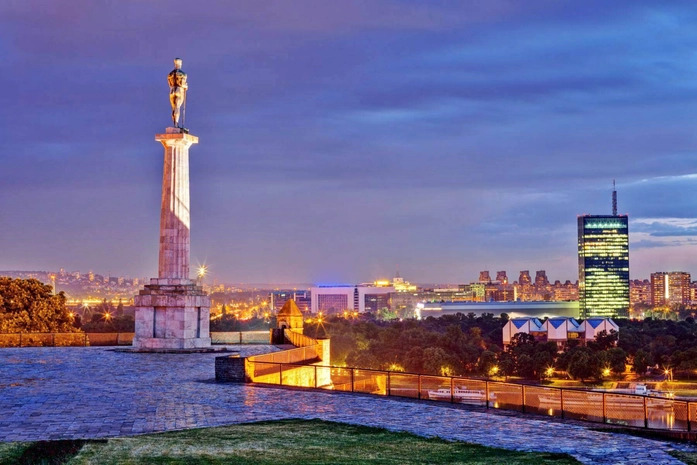
The Millennium Monument: It was completed in 1896 and contains different architectural styles such as Romanesque.
Novi Sad Freedom Square: Freedom Square is the largest city square in the country. It was designed by Croatian architect Josip Slade in 1883.